
How to Socialize Cats in a New and Open House
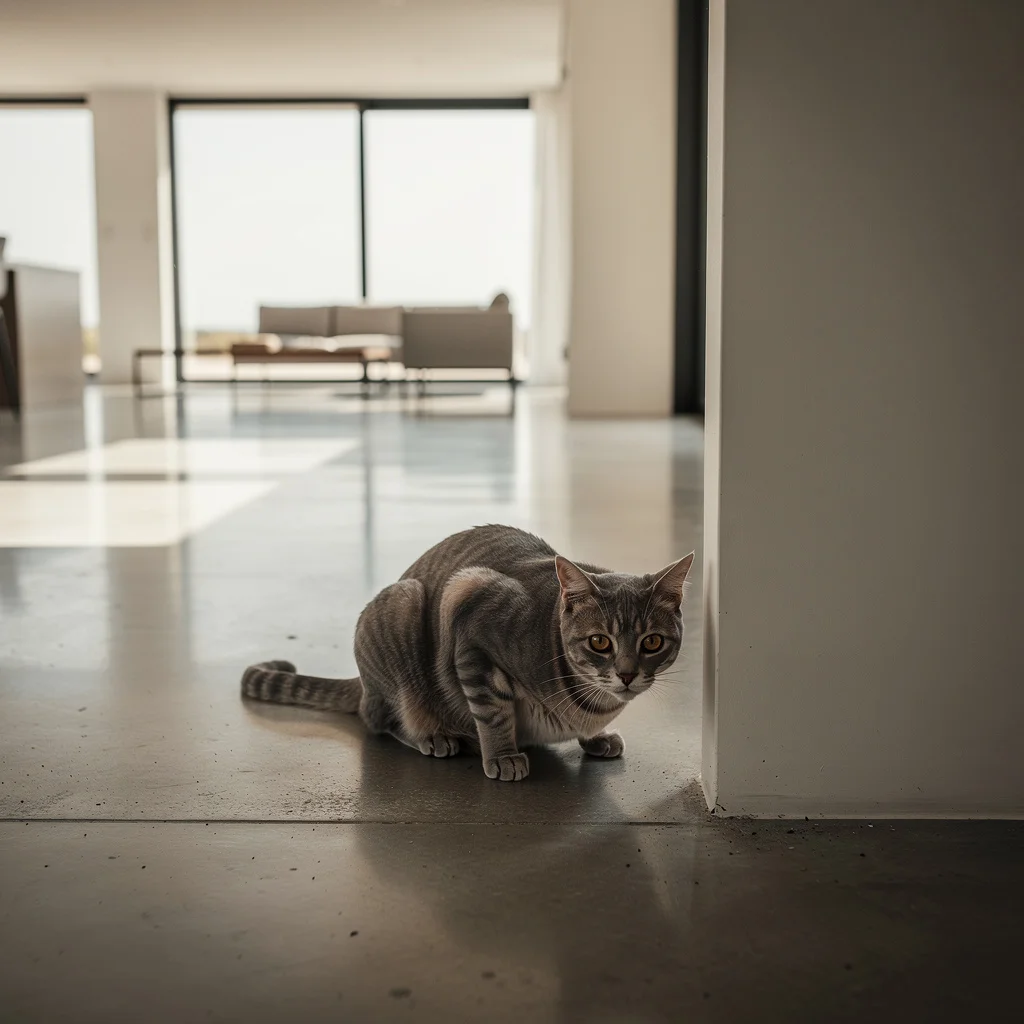
Moving a cat into a large, open home can feel harder than moving the boxes. Wide sight lines, fewer hiding spots, and unfamiliar sounds can make even a friendly cat withdraw, hide, or patrol nervously.
If you are asking, how to socialize cats in a new and open house?, the short answer is to shrink the space first, add safe hiding and climbing zones, and let the cat choose the pace. If your home also has a dramatic layout, ideas from Tuscan house exteriors design ideas can remind you how open architecture changes traffic flow and sight lines for pets too.
How do you socialize cats in a new and open house?
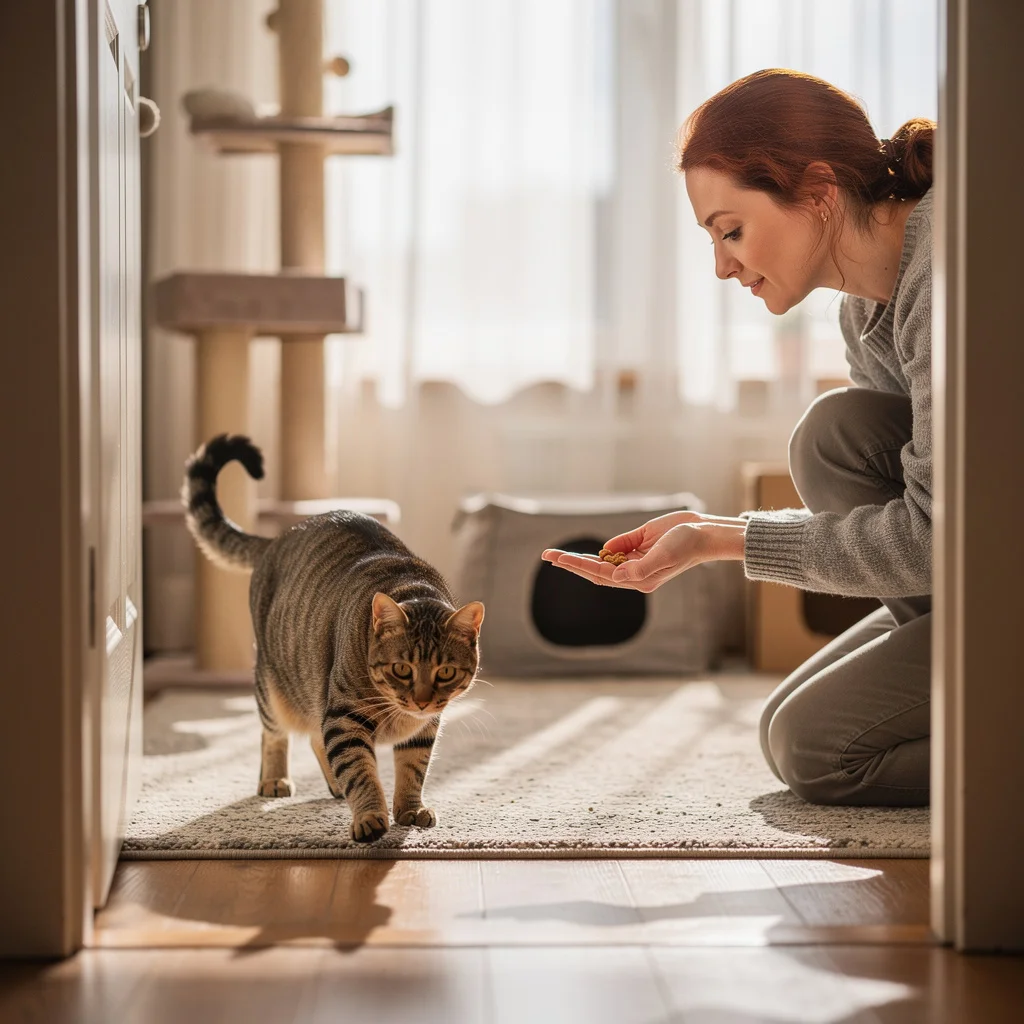
Socialize cats in a new and open house by starting with one secure room, then expanding access slowly while pairing each new space with food, play, scent exchange, and calm human contact. In open layouts, the goal is not to force exploration but to make large spaces feel predictable, sheltered, and rich with escape routes.
- Begin with a single base camp room for several days.
- Add hiding spots, vertical space, and scratch points in every new zone.
- Use food, treats, and play to create positive room associations.
- Let the cat approach people first; avoid chasing or carrying.
- Expand territory only when body language stays loose and curious.
Why do open houses feel harder for cats?
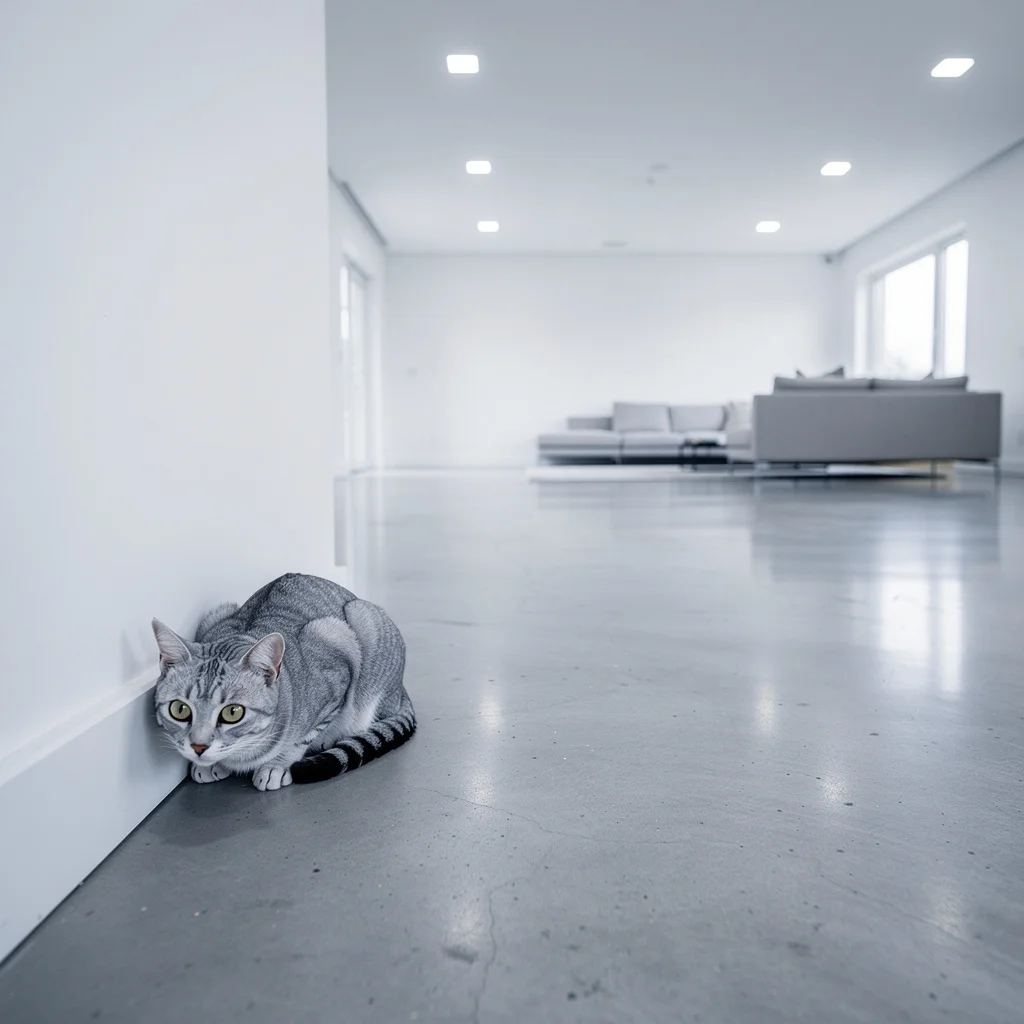
Open houses can stress cats because they reduce the enclosed edges and hidden corners cats use to feel safe. Cats are both predators and prey, so they often prefer covered routes, visual barriers, and fast access to retreat.
The American Association of Feline Practitioners and International Society of Feline Medicine stress that cats need environmental control, safe resting areas, scratching surfaces, play, and separation of key resources. Those needs become more obvious in homes with big rooms and constant foot traffic.
Get Free Patterns Every Week!
Get new patterns, videos & tutorials free in your inbox
🔒 No spam. Unsubscribe anytime.
“Cats need an environment that respects their species-specific needs.” — AAFP/ISFM Feline Environmental Needs Guidelines, Journal of Feline Medicine and Surgery, 2013
What an overwhelmed cat usually looks like
A worried cat does not always hiss or run. Many cats go quiet first, then eat less, avoid the litter box area, overgroom, hide for long periods, or stay alert with a low posture and wide pupils.
In a very open room, some cats also camp under furniture because it gives them a ceiling and a wall. Others pace the perimeter because edge-walking feels safer than crossing open floor.
- Hiding longer than usual after normal house activity
- Freezing when people walk across the room
- Skipping meals unless food is placed near cover
- Swatting when approached in the open
- Using only one part of the house despite access to more
Large space is not the same as usable space for a cat.
If stress comes with straining to urinate, frequent litter box trips, or crying in the box, treat that as urgent. Medical issues can look like behavior issues, and this guide to male cats bladder pain covers warning signs that should never be brushed off.
How should you set up a cat-safe base camp in an open home?
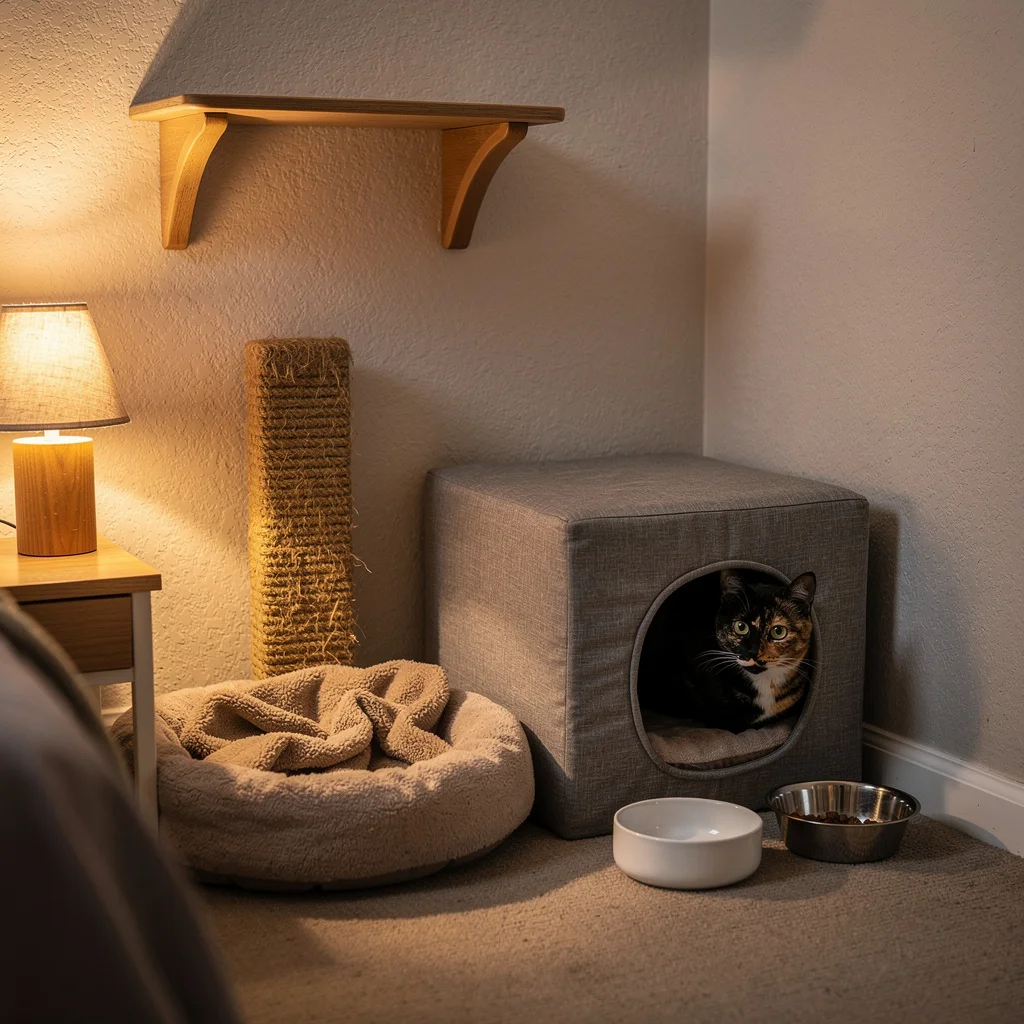
Set up a base camp before the cat explores the full house. One small, quiet room gives the cat a controllable territory and lowers the stress of taking in too much space at once.
The room should have food, water, a litter box, a bed, a hiding place, a scratching post, and one elevated perch. A covered bed or an cat cube hideout can help nervous cats settle faster because it creates visual shelter without total isolation.
Where to place essentials
Keep food and water away from the litter box. Place at least one hiding area and one elevated resting spot on opposite sides of the room so the cat has options.
The Ohio State University Indoor Pet Initiative recommends giving cats multiple, separated resources and more than one route through a space when possible. That lowers conflict and supports choice, which is a major part of stress reduction.
| Item | Best Placement | Why It Helps |
|---|---|---|
| Litter box | Quiet corner, not trapped | Privacy without feeling cornered |
| Food and water | Away from litter and doorway | Encourages eating and calmer routines |
| Hide bed | Against a wall | Creates back cover and security |
| Perch | Near window or room edge | Supports observation from safety |
How long should the cat stay there?
Many cats need a few days in base camp, while shy cats may need one to two weeks. Progress should depend on behavior, not the calendar.
Good signs include regular eating, grooming, stretching out to sleep, using the litter box normally, and greeting you at the door. Once those are steady, open one extra zone at a time.
- Start with the quietest adjacent room
- Keep doors to noisy zones closed at first
- Return the cat to base camp after stressful events
- Leave a familiar blanket with the cat’s scent in each new space
What is the best process for socializing a cat room by room?
The best process is gradual expansion with positive associations at each step. Cats usually do better when they can retreat to a known safe area after each short session in a larger space.
- Prepare one new area with a scratcher, water, and a hiding spot before opening access.
- Open the door during a calm part of the day, not during parties, cleaning, or deliveries.
- Wait for the cat to step out on its own. Success looks like sniffing, tail at mid-height, and normal walking.
- Pair the new area with treats, a wand game, or a meal. A simple cat wand toy works well because it lets the cat engage from a safe distance.
- End the session before the cat gets overwhelmed, then allow return to base camp.
- Repeat until the cat enters that area confidently before adding another zone.
Short sessions beat marathon sessions. Five calm minutes in a new room can do more than thirty stressful minutes in a whole floor plan.
How to socialize with people during this phase
Let people sit sideways, speak softly, and offer treats without reaching over the cat. Direct eye contact, looming, and petting too soon can undo progress.
For shy cats, place treats beside you first, then closer over several days. A lickable cat treat can help create positive contact because the cat can stay in control of distance.
Socialization works better when the cat chooses contact.
How can you make a big open layout feel safe?
You can make a big open layout feel safer by breaking it into smaller “cat zones.” The best tools are vertical space, visual barriers, edge routes, and duplicated resources spread across the home.
Think like a cat crossing the room. If the space has no cover, no perch, and no exit, it can feel risky even when nothing bad is happening.
Use structure, not force
Cat trees, narrow console tables, benches, and rugs can create paths that feel less exposed. A tall cat tree for indoor cats near the edge of an open room often becomes a safe observation point.
Scratching posts also matter because they let cats leave visual and scent marks. That is one reason many behaviorists suggest placing scratchers at entrances, resting areas, and social zones.
- Add one perch in each main living zone
- Place scratchers near room entries and sofas
- Use rugs to soften slippery floor crossings
- Create covered rest spots, not only open beds
- Keep at least two clear retreat routes from busy rooms
Reduce sound and surprise
Open homes often carry noise farther than closed floor plans. Televisions, kitchen clatter, doorbells, and vacuuming can reach the cat from multiple angles at once.
Close off the loudest areas during the first week when possible. A white noise machine near base camp may help mask sudden sounds, though it should stay at a low volume.
| Open-House Challenge | Cat-Friendly Fix |
|---|---|
| Long exposed floor crossings | Add rugs, furniture edges, and perches |
| Few hiding spots | Use covered beds and cat cubes |
| Noise travels across rooms | Limit access during busy hours |
| Single-resource bottlenecks | Duplicate water, scratchers, and resting spots |
If your home style favors broad facades and airy transitions, galleries like Italian house exterior Tuscan style dream homes or 17 Italian house exterior Tuscan style dream homes show how architecture shapes movement patterns for people and pets alike.
How do you socialize more than one cat after a move?
Socialize multiple cats after a move by reducing competition first. Even bonded cats can become tense in a new home when scent maps change and resources feel uncertain.
The ASPCA and many feline behavior resources advise adding enough litter boxes, resting spots, and feeding areas so one cat cannot control everything. A common rule for litter boxes is one per cat, plus one extra.
Rebuild group harmony in the new space
Start with separate decompression zones if there is any chasing, blocking, or staring. Then swap bedding, feed on opposite sides of a door, and reopen shared space in short, calm sessions.
Watch for subtle tension, not only fights. Staring, doorway blocking, and one cat always taking the high spot can mean the setup still needs work.
- Feed cats in separate stations
- Provide more than one vertical resting area
- Spread litter boxes across different zones
- Interrupt staring with play, not punishment
- Give each cat a private retreat
“Many behavior problems can be prevented or treated by meeting the environmental needs of cats.” — AAFP/ISFM Environmental Needs Guidelines
For a deeper veterinary source, see the AAFP and ISFM feline environmental needs guidelines. The Ohio State University Indoor Pet Initiative also offers practical behavior and housing guidance.
What mistakes slow down cat socialization in a new home?
Most setbacks come from moving too fast or removing the cat’s sense of control. The fix is usually to reduce space again, add choice, and rebuild positive routines.
- Giving full-house access on day one: It can flood the cat with too much input. Fix it by returning to one room and expanding gradually.
- Placing all resources in one spot: This creates traffic and tension. Fix it with multiple water bowls, scratchers, and resting areas.
- Pulling a cat out of hiding: This teaches the cat that hiding is unsafe. Fix it by improving hiding options and waiting quietly nearby.
- Forcing guest interactions: This can make people part of the threat. Fix it by using treat tosses and allowing the cat to approach.
- Ignoring health signs: Pain changes behavior fast. Fix it with a vet check if appetite, litter box habits, or activity shift.
If progress stalls, make the territory smaller and safer before trying again.
Frequently Asked Questions About How to socialize cats in a new and open house?
How long does it take to socialize cats in a new and open house?
How long it takes to socialize cats in a new and open house depends on the cat’s age, past experiences, and stress level. Some settle in days, while shy cats may need several weeks of slow room-by-room expansion.
Should I let my cat hide when we first move?
Yes, you should let your cat hide when you first move. Hiding is a normal coping behavior, and secure hiding spots usually help cats come out sooner than forced interaction does.
Is an open-plan house bad for cats?
No, an open-plan house is not automatically bad for cats. An open-plan house becomes easier for cats when you add perches, barriers, scratchers, and safe retreat routes.
How do I know my cat is ready for more space?
You know your cat is ready for more space when eating, grooming, sleeping, and litter box use look normal in the current area. Loose body posture and voluntary door-side curiosity are strong signs too.
Can I use treats to socialize a scared cat?
Yes, you can use treats to socialize a scared cat if you keep distance and let the cat choose whether to approach. Treats work best when paired with calm voices, predictable routines, and short sessions.
When should I call a vet or behavior specialist?
You should call a vet or behavior specialist if fear lasts for weeks, aggression escalates, or eating and litter box habits change. Rule out pain or illness first, then ask your vet about a qualified feline behavior referral.
Conclusion
The single best way to help a cat in a new and open house is to make the space feel smaller, safer, and more predictable at first. Confidence grows from control, not from being pushed to “get used to it.”
Today, set up one true base camp with a hiding spot, perch, scratcher, water, and litter box, then pause there before opening more rooms. If you are still shaping the home around pet-friendly movement, browsing 17 Italian house exterior Tuscan style dream homes 2 can spark ideas about traffic flow and sheltered transitions that work for cats as well as people.