What Causes Reverse Sneezing In Small Dogs Like Shih Tzus?
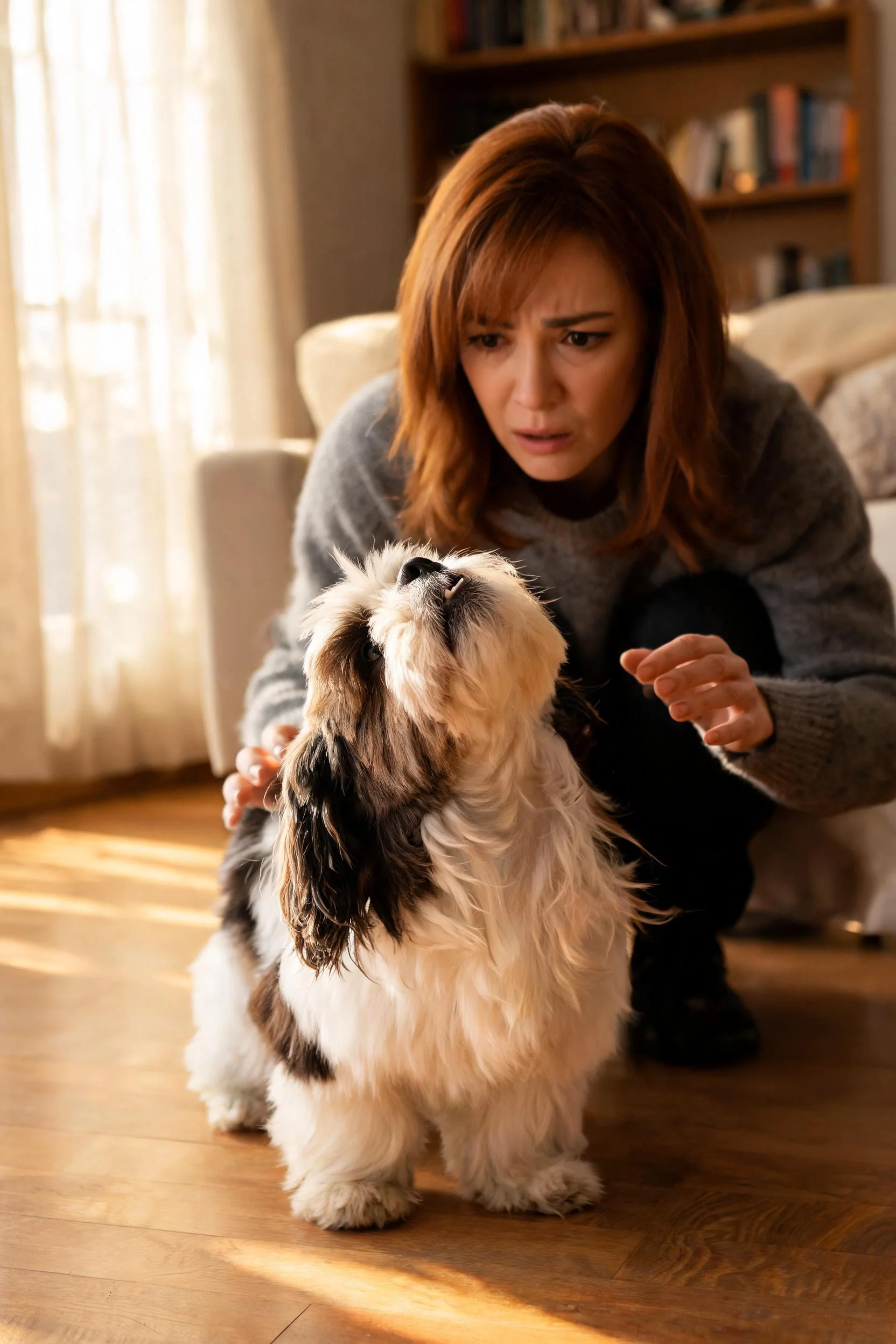
Your Shih Tzu suddenly stands still, stretches the neck, and makes a loud snorting sound that feels alarming. If you have asked, “What causes reverse sneezing in small dogs like Shih Tzus?” the short answer is irritation or narrowing around the nose, throat, or soft palate.
Most episodes look dramatic but stop on their own within seconds to a minute. Because small breeds have compact airways, they are more likely to have these spasms, especially when something triggers the back of the nose or throat.
If your dog also has watery eyes or facial irritation, this guide on common causes and treatments of eye discharge in dogs may help you spot related allergy signs.
What causes reverse sneezing in small dogs like Shih Tzus?
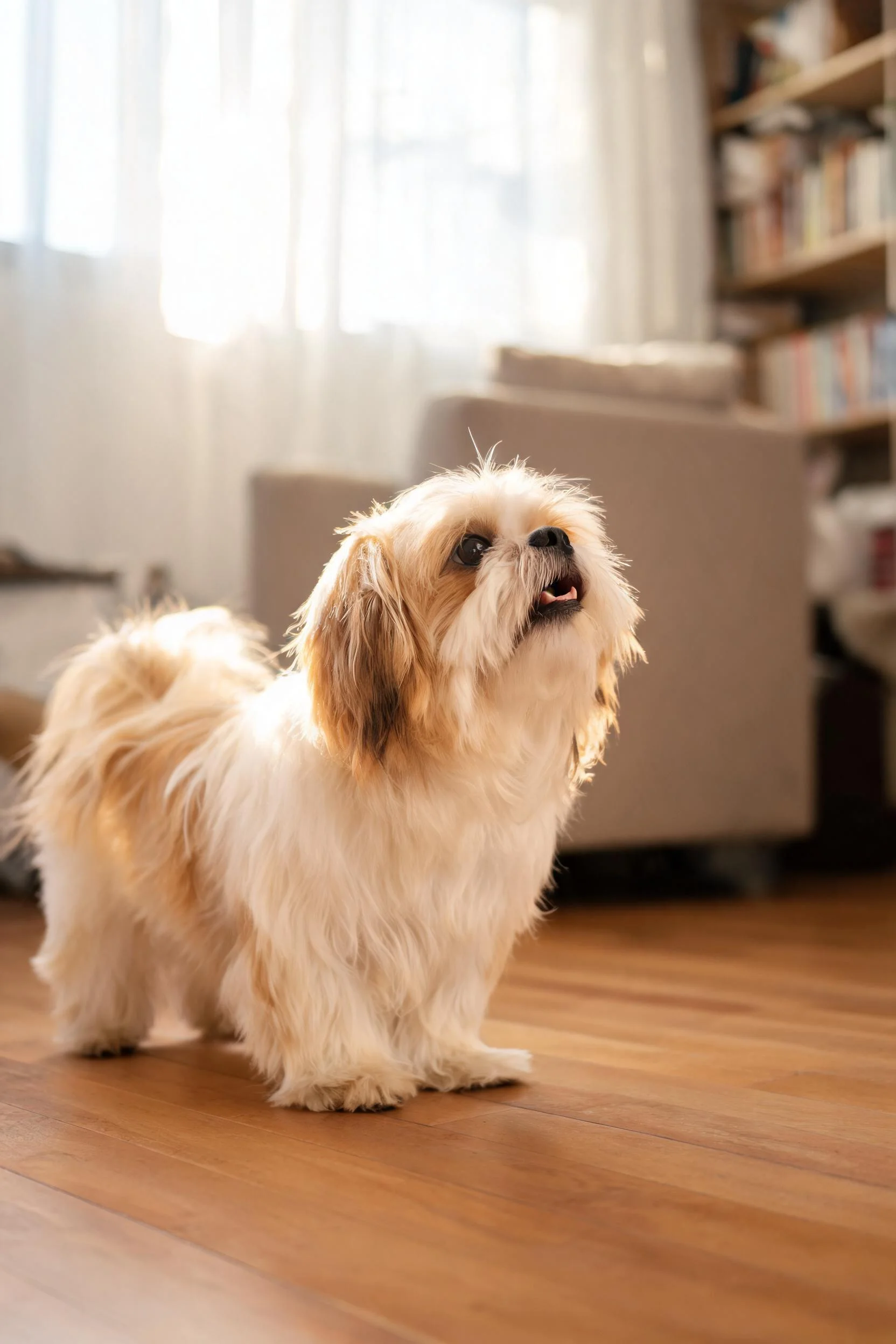
Reverse sneezing in small dogs like Shih Tzus is usually caused by irritation of the nasopharynx, soft palate, or throat, which triggers a sudden spasm while the dog pulls air inward through the nose. Common triggers include allergies, excitement, pulling on the leash, perfume, dust, post-nasal drip, and the short-faced anatomy seen in brachycephalic breeds.
- It is an inward snorting episode, not a true sneeze.
- Shih Tzus are prone because their airways are compact.
- Episodes often last a few seconds to one minute.
- Triggers can be mild, temporary, and environmental.
- Frequent episodes can also signal airway disease.
Why are Shih Tzus and other small dogs more prone to reverse sneezing?
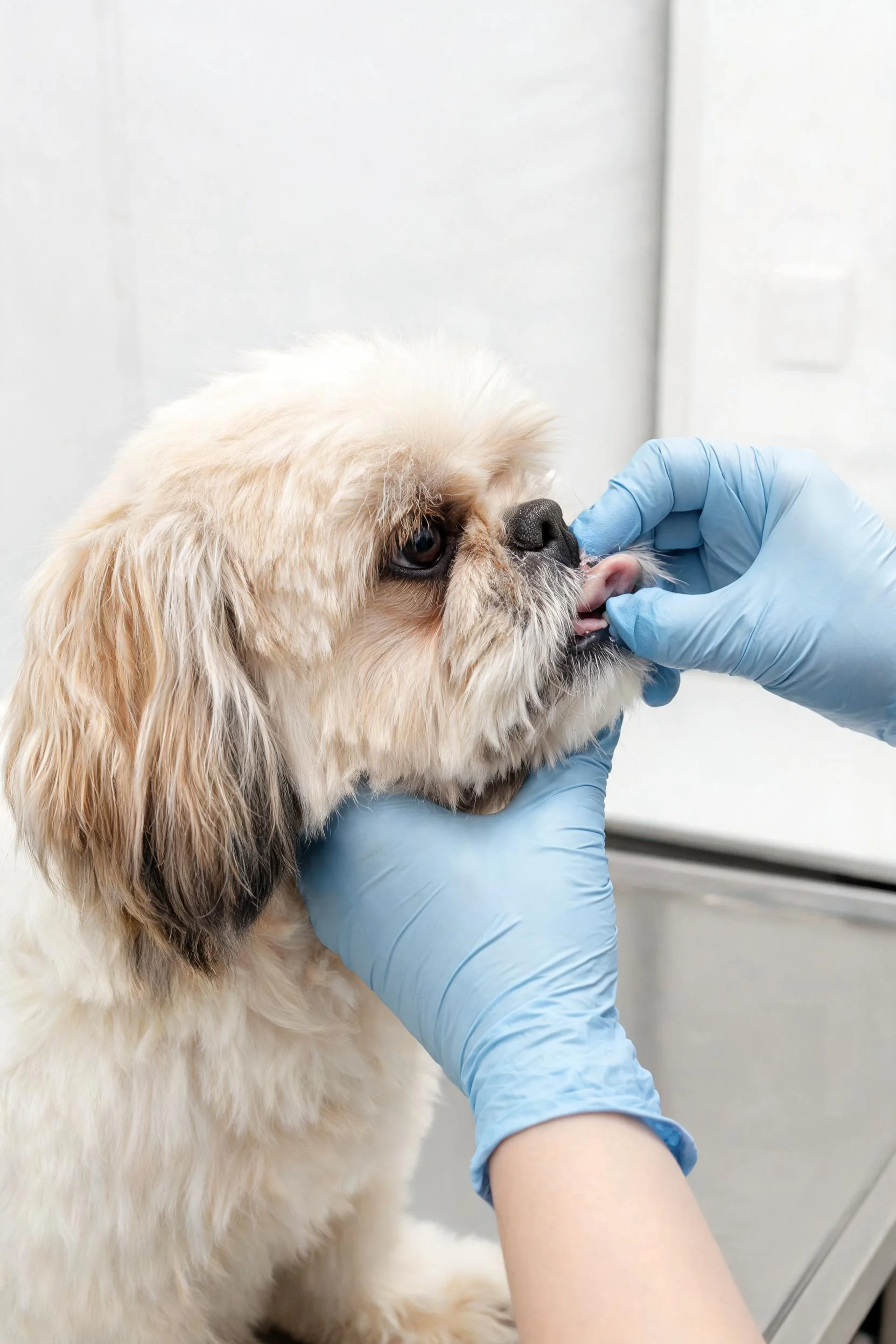
Shih Tzus and other toy breeds are more prone to reverse sneezing because they have smaller upper airways, and many are brachycephalic, or short-faced. That anatomy can make the soft palate, nasal passages, and throat easier to irritate.
The American College of Veterinary Surgeons explains that brachycephalic dogs often have narrowed nostrils and elongated soft palates, both of which affect airflow. While reverse sneezing is not the same as brachycephalic obstructive airway syndrome, the same crowded anatomy can make these dogs noisier and more reactive.
| Factor | Why it matters | Effect on reverse sneezing |
|---|---|---|
| Short muzzle | Less room in nasal and throat structures | Airflow becomes turbulent more easily |
| Small body size | Narrower upper airway overall | Minor irritation can trigger a spasm |
| Elongated soft palate | Tissue may flutter or touch nearby structures | Inward snorting episodes become more likely |
| Narrow nostrils | More resistance when breathing | Breathing sounds become louder during episodes |
Breed shape matters
Shih Tzus, Pugs, Bulldogs, and similar breeds often breathe with more effort than longer-nosed dogs. That does not mean every noisy episode is dangerous, but it does mean structure plays a real role.
BEFORE YOU SCROLL PAST
Quick Reads You’ll Love: 👇
👉 Can You Power Tool Specific Items Essebtials
Small, short-faced dogs reverse sneeze more often because their upper airways leave less room for irritation and airflow changes.
Age and weight can add pressure
Puppies and young adults may reverse sneeze during excitement because they breathe fast and tug against collars. Older dogs may develop episodes from dental disease, nasal inflammation, or upper airway changes that deserve a closer exam.
Extra body weight can also worsen breathing effort in brachycephalic dogs. If your dog snores heavily, tires quickly, or struggles in heat, ask your veterinarian whether airway anatomy is part of the picture.
What usually triggers a reverse sneezing episode?
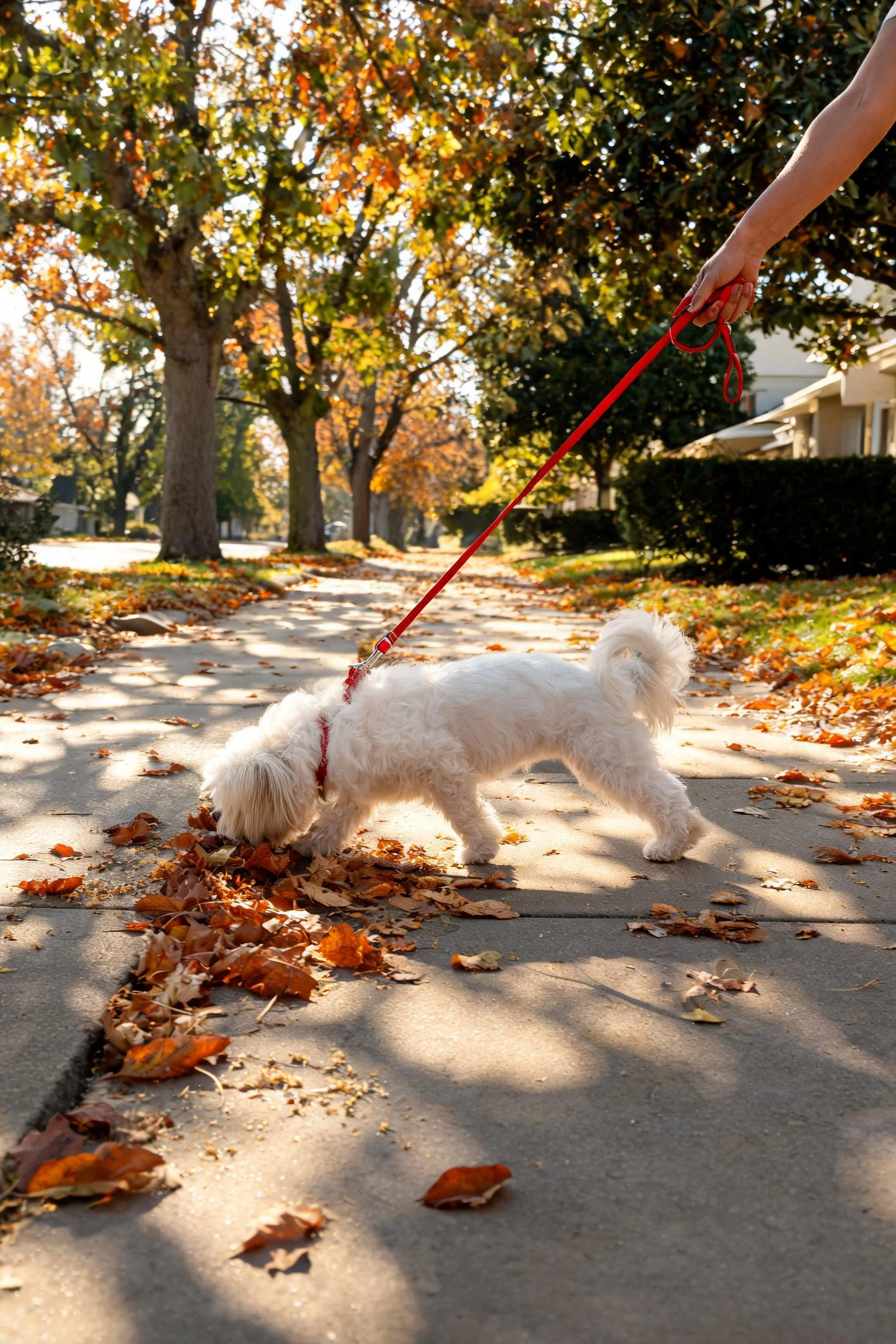
Most reverse sneezing episodes start when something irritates the back of the nose or throat. In small dogs, even mild triggers can cause a sudden inward gasp and snort.
The Merck Veterinary Manual notes that reverse sneezing often follows nasopharyngeal irritation. That irritation may come from allergens, forceful pulling on the leash, eating or drinking too fast, or secretions moving through the upper airway.
- Dust, pollen, smoke, or strong scents
- Excitement, barking, or sudden activity
- Pulling against a collar during walks
- Drinking water too quickly
- Temperature changes or dry indoor air
- Post-nasal drip from mild inflammation
Home and grooming triggers
Household products are common triggers, especially in small apartments where scents linger. Air fresheners, cleaning sprays, candles, and grooming products can all irritate a sensitive dog.
If your dog reacts during brushing or bathing, a switch to a gentler dog grooming wipes routine between baths may reduce fragrance exposure. During allergy season, a basic HEPA air purifier can also help lower indoor dust and pollen.
Collars, pressure, and excitement
Pressure on the throat is a classic trigger in toy breeds. A dog that strains on a collar may suddenly start reverse sneezing right after a burst of pulling.
For some dogs, a well-fitted small dog harness reduces neck pressure during walks. Excited greetings, zoomies, and rapid eating can also set off the same reflex.
Texas A&M College of Veterinary Medicine and Biomedical Sciences describes reverse sneezing as a fairly common event in dogs that can be triggered by irritants, excitement, exercise, or leash pulling.
Could allergies, infections, or dental problems be the cause?
Yes, allergies, mild upper respiratory infections, nasal mites, and even dental disease can contribute to reverse sneezing. If episodes are frequent or new, the cause may be more than simple excitement.
Dogs with allergies often have several signs at once, such as licking paws, watery eyes, itchy skin, or seasonal flare-ups. In those cases, reverse sneezing may be one part of a wider inflammation problem rather than a one-off event.
| Possible cause | Other signs | When to call the vet |
|---|---|---|
| Allergies | Itching, licking, watery eyes, seasonal pattern | If frequent or affecting sleep and comfort |
| Upper respiratory infection | Nasal discharge, cough, low energy | If discharge, fever, or poor appetite appears |
| Dental disease | Bad breath, tartar, mouth pain | If chewing changes or gums bleed |
| Nasal foreign body | Sudden onset, pawing at face, one-sided discharge | Promptly |
| Nasal mites or polyps | Persistent nasal irritation | Promptly |
Dental disease is easy to miss
The roots of upper teeth sit close to the nasal passages. Infection or inflammation in the mouth can sometimes irritate nearby tissues and contribute to snorting, sneezing, or nasal symptoms.
Regular home care with a dog toothbrush and toothpaste may help reduce plaque between veterinary cleanings. If your dog has strong breath odor, face rubbing, or trouble chewing, ask for an oral exam.
When signs point beyond allergies
One-sided nasal discharge, bleeding from the nose, or a sudden severe change raises concern for a foreign body, growth, or infection. Those signs deserve a veterinary visit, especially in an older dog.
If your dog also eats grass often during stomach upset or throat irritation, this article on why dogs eat grass, causes, safety, and what to do may help you connect the pattern.
How can you tell reverse sneezing from coughing, choking, or airway trouble?
Reverse sneezing has a distinct pattern: your dog stands still, extends the neck, and makes repeated inward snorts through the nose. Choking, collapse, blue gums, or prolonged distress are not normal reverse sneezing signs.
Because the noise is dramatic, owners often confuse it with asthma, choking, or a seizure. A short video for your veterinarian is one of the best ways to sort out what is actually happening.
- Reverse sneezing: inward snorts, dog usually stays standing
- Coughing: forceful outward sound, often from chest or throat
- Choking: panic, pawing at mouth, trouble swallowing
- Collapse: weakness or fainting, not typical for reverse sneezing
- Blue or gray gums: emergency sign, seek care now
Normal episode vs warning sign
A typical episode ends quickly and your dog returns to normal. Appetite, gum color, and energy stay normal before and after.
If episodes become longer, happen daily, wake your dog from sleep, or come with nasal discharge, that changes the picture. Dogs with known brachycephalic airway issues need extra caution in hot or humid weather.
If your dog cannot recover normally within a minute or two, treat it as more than simple reverse sneezing.
What should you do during an episode, and when should you see a vet?
During a reverse sneezing episode, the goal is to keep your dog calm and reduce irritation, not panic or force the mouth open. Most dogs recover on their own within seconds.
Veterinarians often suggest a few simple techniques, such as briefly covering the nostrils for a second to encourage swallowing, gently massaging the throat, or moving the dog away from the trigger. Stop if your dog becomes more distressed.
- Stay calm. Speak softly and keep your dog still so breathing effort does not increase.
- Move away from the trigger. Step away from smoke, dust, perfume, or outdoor pollen if possible.
- Massage the throat gently. Light rubbing can encourage swallowing and help the spasm pass.
- Briefly cover the nostrils if advised by your vet. Success looks like one swallow and a return to normal breathing.
- Record a video. A clear video helps your veterinarian tell reverse sneezing from coughing or airway collapse.
- Track the pattern. Note time, trigger, length, and recovery so you can report useful details.
How to reduce future episodes
Prevention depends on the trigger. Many dogs improve with simple environmental changes, allergy management, or switching from a collar to a harness.
In dry homes, a cool mist humidifier may make the air less irritating. For dogs that bolt food and then snort, a slow feeder dog bowl can reduce gulping.
When veterinary care matters
See your veterinarian if episodes are frequent, severe, or changing over time. The same is true if your dog has coughing, exercise intolerance, thick nasal discharge, bleeding, weight loss, or dental pain.
Two reliable veterinary references are the Merck Veterinary Manual on coughing and sneezing disorders in dogs and the American College of Veterinary Surgeons page on brachycephalic syndrome. Both explain why upper airway structure matters in short-faced breeds.
Common mistakes owners make with reverse sneezing
Most mistakes happen because the sound is scary. A calm response and good observation are more helpful than rushing into random remedies.
- Assuming every episode is harmless. The consequence is missing infections, dental disease, or airway problems. The fix is to monitor frequency and call the vet if the pattern changes.
- Pulling harder on the leash. The consequence is more throat irritation. The fix is to stop, relax tension, and consider a harness.
- Using strong sprays or scented cleaners near the dog. The consequence is repeat irritation. The fix is to reduce fragrance and improve ventilation.
- Confusing choking with reverse sneezing. The consequence is delayed emergency care. The fix is to watch for pawing at the mouth, blue gums, or inability to recover.
- Skipping video evidence. The consequence is a harder diagnosis. The fix is to record a short clip for the veterinary visit.
If you are managing a female small breed with other care needs, this guide on whether small breed dogs go into heat more often covers another issue owners often track at home.
Frequently Asked Questions About What causes reverse sneezing in small dogs like Shih Tzus?
Is reverse sneezing normal in Shih Tzus?
Reverse sneezing is fairly common in Shih Tzus because they are a small brachycephalic breed with compact upper airways. Occasional short episodes can be normal, but frequent or worsening episodes should be checked.
Can allergies cause reverse sneezing in small dogs?
Yes, allergies can cause reverse sneezing in small dogs by irritating the back of the nose and throat. Seasonal pollen, dust, smoke, and fragrance are common triggers.
How long should a reverse sneezing episode last?
A reverse sneezing episode usually lasts a few seconds to about a minute. If your dog cannot settle, seems weak, or has blue gums, seek urgent veterinary care.
Should I worry if my dog reverse sneezes every day?
Yes, you should worry if your dog reverse sneezes every day because daily episodes suggest an ongoing trigger or medical issue. Allergies, dental disease, nasal irritation, and airway problems are all possible.
Can a collar make reverse sneezing worse?
Yes, a collar can make reverse sneezing worse if your dog pulls and puts pressure on the throat. Many small dogs do better on a harness that shifts force away from the neck.
Do Shih Tzus need treatment for reverse sneezing?
Shih Tzus do not always need treatment for reverse sneezing if episodes are brief, rare, and followed by normal breathing. Treatment depends on the trigger and may include allergy control, dental care, weight management, or airway evaluation.
Conclusion
Reverse sneezing in Shih Tzus is usually caused by irritation plus small, short-faced airway anatomy. Most episodes are brief and benign, but frequent, severe, or changing events deserve a veterinary check.
Start today by recording the next episode and writing down the trigger, length, and recovery. If you are also tracking other routine care for a female dog, this article on how often female dogs go into heat can help you keep better health notes overall.