
What Should I Do If My Cat Refuses Wet Food?
Your cat stares at the wet food bowl and walks away. This scenario frustrates many cat owners, especially when wet food is nutritionally important for hydration and health. Understanding why your cat rejects wet food—and what to do about it—makes a real difference in their wellbeing.
What should I do if my cat refuses wet food? The answer depends on the root cause, which ranges from texture preference to medical issues. This guide walks you through the most effective strategies to encourage wet food acceptance.
Why Does My Cat Refuse Wet Food?
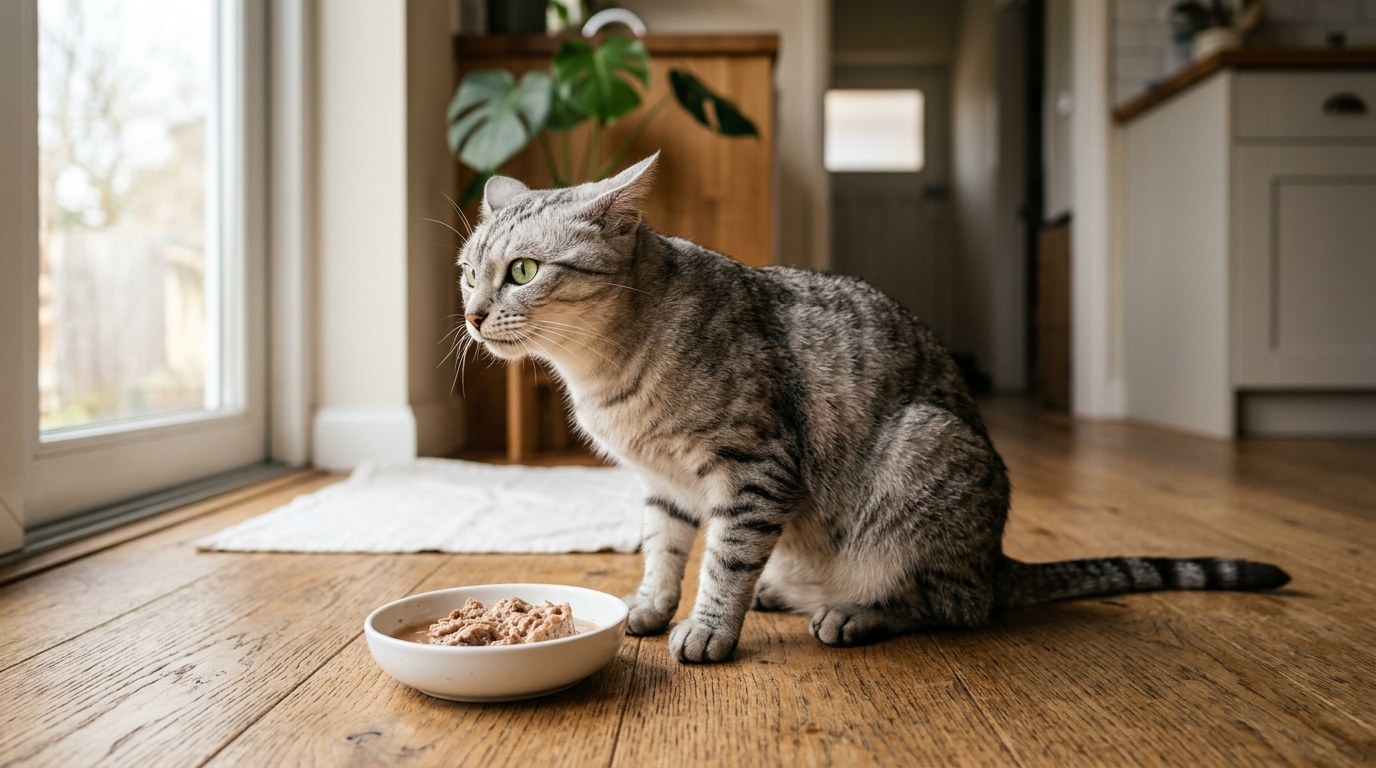
The first step is identifying why your cat ignores wet food. Cats have strong texture and taste preferences built into their biology, but medical or environmental factors also play a role.
- Texture aversion: cats raised on kibble may find wet food’s moisture unsettling
- Temperature sensitivity: cold straight from the refrigerator tastes unpleasant to most cats
- Ingredient unfamiliarity: switching brands or proteins suddenly triggers rejection
- Olfactory changes: a cat’s sense of smell directs their eating, and wet food smells different than dry
- Medical issues: pain while eating, nausea, or dental problems create food avoidance
- Freshness concerns: wet food exposed to air for hours becomes less appealing
Temperature and presentation matter far more than most owners realize.
How Should I Introduce Wet Food to a Dry-Food Cat?
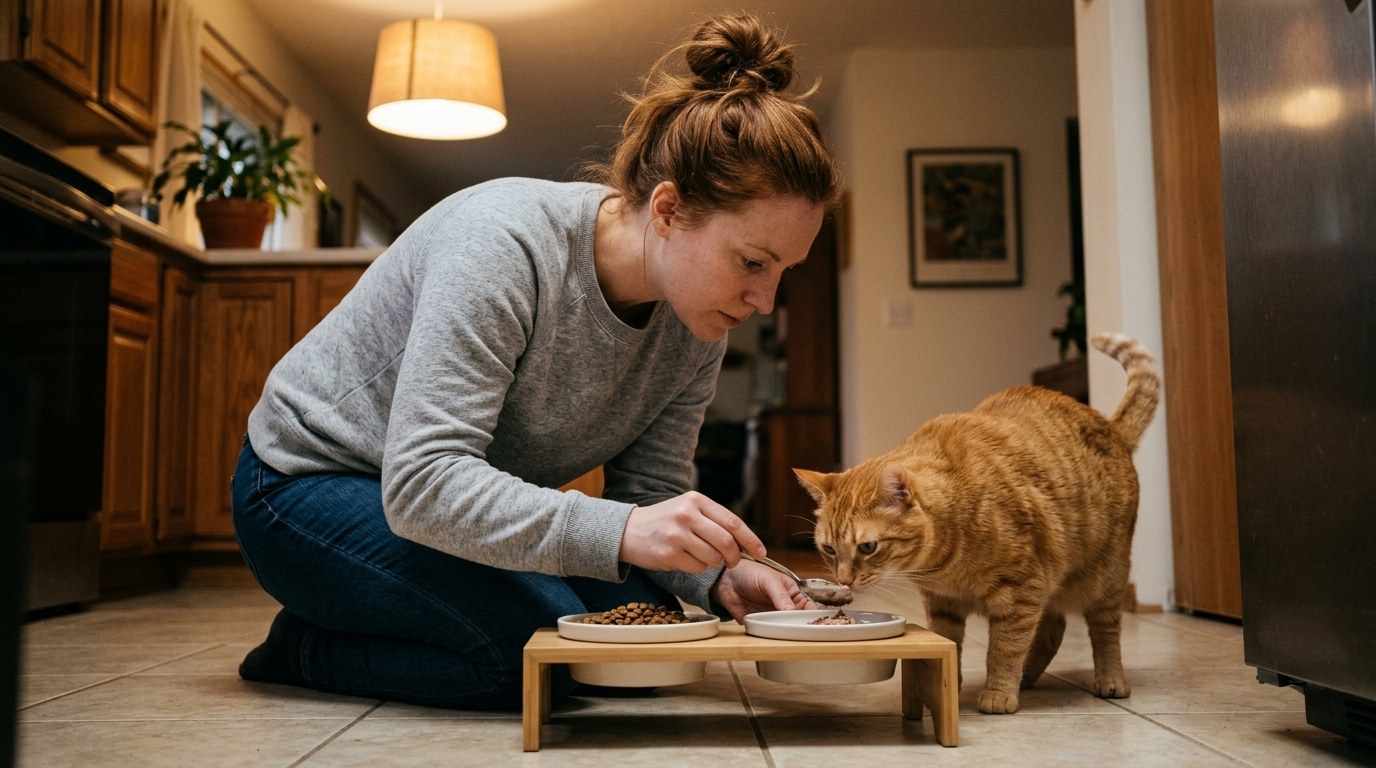
Gradual transitions work better than switching foods overnight. Your cat’s digestive system and taste preferences need time to adjust.
The Step-by-Step Introduction Process
- Start by placing a tiny portion (roughly 1 teaspoon) of wet food next to the regular kibble for 3–5 days without forcing interaction.
- Mix a small amount of wet food directly into kibble on day 6–8, using a 90/10 kibble-to-wet ratio.
- Gradually increase the wet food percentage every 2–3 days: aim for 75/25 by week two, 50/50 by week three.
- Continue increasing until your cat accepts a full wet meal, or settle on a ratio that works for your cat.
- Monitor digestion throughout—soft stools or vomiting mean you’re moving too fast.
This timeline prevents digestive upset and gives your cat’s palate time to acclimate. Some cats transition in two weeks; others need four to six weeks.
Temperature Adjustments
Warming wet food activates its aroma, making it more appealing to cats. Room-temperature or slightly warmed food (around 100°F or body temperature) mimics freshly caught prey and increases acceptance rates.
BEFORE YOU SCROLL PAST
Quick Reads You’ll Love: 👇
👉 Can You Power Tool Specific Items Essebtials
To warm wet food safely, place the opened can or pouch in warm water for 30–60 seconds, or use a microwave for 5–10 seconds on 50% power. Stir thoroughly and test the temperature before serving to avoid burns.
What Brands and Types Work Best?
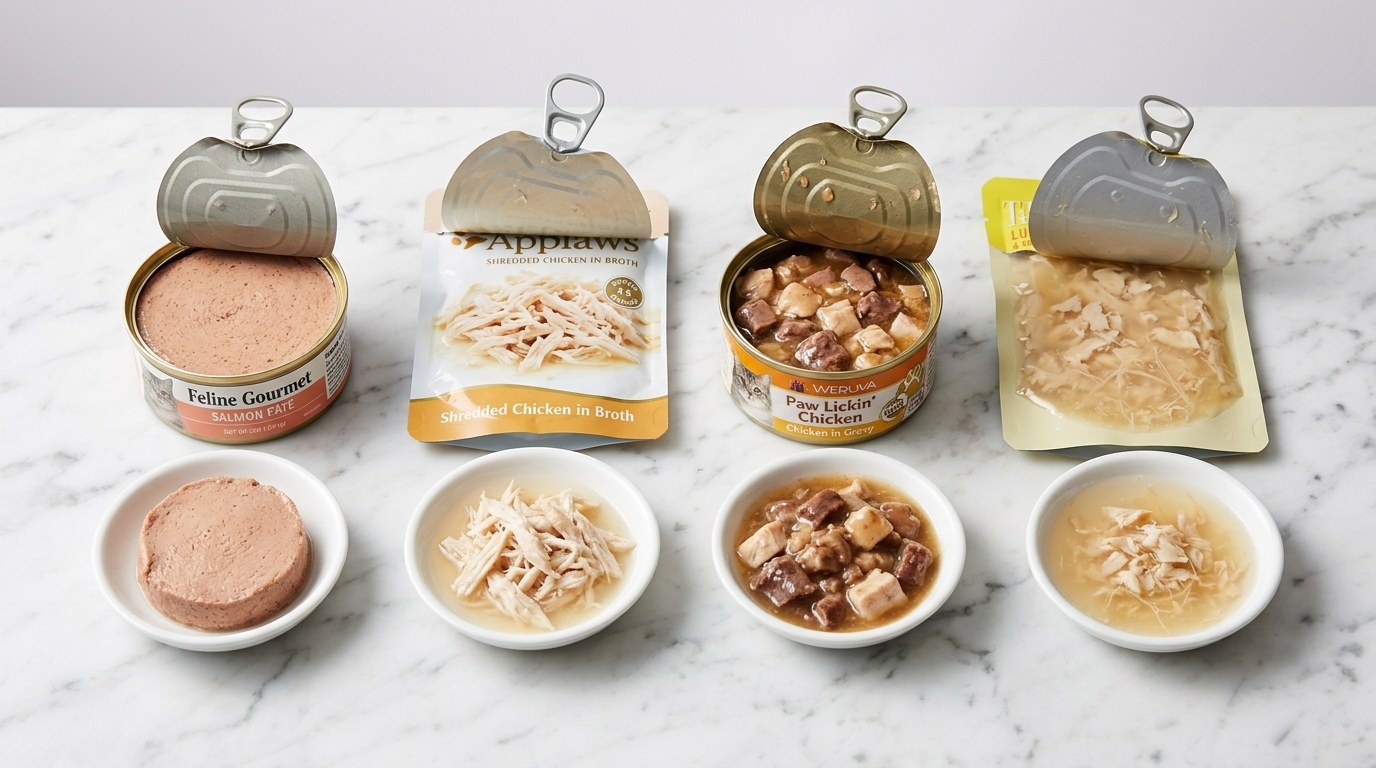
Not all wet food appeals equally to cats. Protein source, texture, and brand reputation influence acceptance and nutrition.
| Wet Food Type | Best For | Common Textures |
|---|---|---|
| Pâté/mousse | Cats preferring smooth, uniform consistency | Creamy, homogeneous |
| Chunks in gravy | Cats mimicking hunting and chewing | Visible meat pieces in liquid |
| Shredded | Cats liking texture variety | Fibrous, pulled-meat appearance |
| Broth-based | Cats needing hydration boost | Liquid-heavy with minimal solids |
Popular brands like Fancy Feast, Weruva, Tiki Cat, and Instinct offer varied textures and protein sources. Trying 2–3 different types reveals your cat’s preference without committing to a full case.
Single-protein formulas often work better than multi-ingredient blends for picky eaters.
When selecting wet food, prioritize AAFCO (Association of American Feed Control Officials) certification and consult your veterinarian if your cat has specific health needs. A quality variety pack of wet cat food lets you test flavors without waste.
Should I Mix Wet and Dry Food Together?
Combining wet and dry food is a practical way to boost hydration while keeping some kibble texture your cat enjoys. This approach works especially well for cats that refuse wet food outright.
- Mixing prevents the “wet food only” stance that limits nutritional flexibility
- Kibble texture appeals to cats who find pure wet food unappetizing
- Dry food adds natural teeth-cleaning action during chewing
- A 50/50 blend balances hydration and satiety better than either alone
- Softer kibble soaked in water or broth bridges the gap for sensitive mouths
Adding a small amount of water or low-sodium broth to kibble creates a familiar yet moisturized meal. Some cats accept this “bridge” texture when pure wet food fails.
If your cat eats the kibble and leaves the wet portion, reverse the ratio—go 75% kibble, 25% wet—and increase wet food percentage only as acceptance grows.
When Should I Suspect a Medical Problem?
Sudden food refusal or consistent rejection of all wet foods might signal an underlying health issue. Cats experiencing oral pain, nausea, or digestive problems often avoid wet food specifically because it smells stronger or feels uncomfortable to eat.
Contact your veterinarian if your cat shows any of these signs:
- Drooling, pawing at the mouth, or visible difficulty chewing
- Bad breath or inflamed gums (signs of dental disease)
- Vomiting or diarrhea when trying new wet food
- Weight loss or lethargy alongside food refusal
- Refusal of both wet and dry food
- Recent trauma, injury, or medication changes
Dental problems rank among the most common causes of wet food rejection in older cats. A veterinary exam rules out pain, infection, or systemic illness before you troubleshoot feeding strategy further.
Related concerns like male cat interstitial cystitis can make cats avoid eating altogether, so a professional evaluation provides clarity and peace of mind.
Common Mistakes to Avoid
- Serving cold wet food: Cold reduces aroma, which cats rely on to detect food quality. Always warm to room temperature or higher.
- Switching brands too often: Each new brand tastes and smells different, confusing cats and prolonging the adjustment phase. Pick one brand and stay with it for at least two weeks before changing.
- Leaving wet food out all day: Bacteria grows quickly in wet food exposed to air. Remove uneaten portions after 20–30 minutes and replace with fresh food at the next meal.
- Forcing wet food as punishment: Mixing wet food with medication or forcing meals creates negative associations. Keep wet food positive and voluntary.
- Ignoring portion size: Too much wet food in the bowl overwhelms some cats. Start with a tablespoon or two and increase as acceptance grows.
Frequently Asked Questions About What Should I Do If My Cat Refuses Wet Food?
Can I add water to dry kibble instead of buying wet food?
Adding water to kibble increases hydration, but wet food offers superior nutrition because it contains higher moisture naturally. A soaked kibble hybrid works as a stepping stone, though pure wet food is ideal for kidney and urinary health.
How long should I try before giving up on wet food?
Give any new food type at least three to four weeks of consistent exposure before declaring it a failure. Taste preferences develop over time, and some cats need extended adjustment periods.
Is it okay to only feed my cat dry food?
Cats are obligate carnivores requiring hydration from diet. Dry food alone increases dehydration risk and can contribute to kidney and urinary issues, especially in older cats. Wet food provides essential moisture and is nutritionally superior when possible.
What if my cat only eats the gravy and leaves the meat?
Some cats prefer the liquid component. Try broth-based formulas with minimal meat chunks, or offer the gravy separately on kibble. Gradually introduce more solid pieces as your cat adapts.
Does the bowl material matter?
Yes. Plastic and ceramic can retain odors that cats dislike, while glass and stainless steel bowls stay neutral. Metal bowls also feel different on sensitive whiskers, so switching bowl material sometimes improves acceptance.
Can I feed wet food only, or is dry food necessary?
Wet food alone is nutritionally complete if it meets AAFCO standards. Many cats thrive on all-wet diets. However, some owners use kibble for convenience, cost, or dental health benefits—a hybrid approach is perfectly acceptable.
The Bottom Line
Refusing wet food is frustrating, but it rarely reflects stubbornness. Most cats respond to gradual transitions, temperature adjustments, and flavor variety within a few weeks.
Start today by warming a small portion of a new wet food brand to room temperature and placing it next to (not mixed with) your cat’s regular meal. Observe what happens over the next three weeks without pressure. If rejection continues alongside other symptoms like lethargy or vomiting, schedule a veterinary exam to rule out health issues. The patience you invest now pays dividends in your cat’s hydration, longevity, and quality of life.