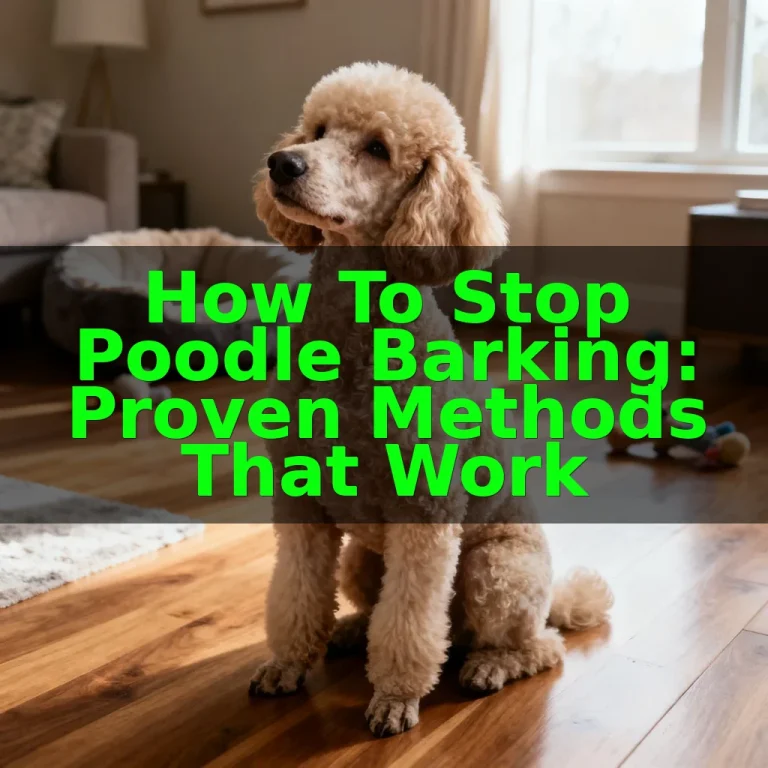
Why Your Dog Stays Close During Quiet, Vulnerable Evenings
Some evenings feel softer than the rest. You sit down, your guard drops, the house goes quiet, and suddenly your dog is pressed against your leg, curled by your feet, or watching you from inches away.
Why your dog stays close during vulnerable moments during times of quiet evenings usually comes down to attachment, routine, body-language reading, and a dog’s strong sensitivity to changes in your mood and movement. That behavior is often normal, though a sudden increase in clinginess can sometimes point to stress, aging, or discomfort.
If your dog also shows other unusual habits, changes in appetite, or odd comfort-seeking, topics like why dogs eat grass can help you spot the difference between normal behavior and a sign to look closer.
Why does my dog stay close to me during quiet evenings?
Dogs stay close during quiet evenings because calm settings make social bonding easier, and your dog can focus more on you than on daytime distractions. They also notice subtle signs of tiredness, sadness, illness, or stress and may respond by staying near.
Evening closeness is often a mix of affection, learned routine, and scent-based reassurance. For many dogs, your resting body, slower breathing, and familiar spot on the couch signal safety and connection.
Get Free Patterns Every Week!
Get new patterns, videos & tutorials free in your inbox
🔒 No spam. Unsubscribe anytime.
- Quiet rooms make your movements and emotions easier to read.
- Dogs often follow evening routines with strong accuracy.
- Your scent and body heat can act as calming cues.
- Some dogs seek closeness when they sense low energy or stress.
- Breed traits and age can make evening attachment stronger.
Can dogs sense vulnerability and emotional changes at night?
Yes, dogs can detect human emotional and physical changes, and those signals may stand out more at night when the environment is calm. Research suggests dogs read facial expressions, body posture, voice tone, and scent changes linked to stress.
A 2015 study in Current Biology found that dogs can distinguish happy and angry human facial expressions. That matters because a quiet evening gives your dog more chances to notice your face, your breathing, and the way you hold your body.
BEFORE YOU SCROLL PAST
Quick Reads You’ll Love: 👇
👉 Can You Power Tool Specific Items Essebtials
Dogs do not need words to notice a change in you. They often respond first to scent, posture, and pattern.
Why evenings make these signals easier to notice
During the day, dogs juggle noise, outdoor activity, visitors, meals, and household movement. In the evening, those competing signals fade.
Your dog may notice that you slump more when tired, go silent when upset, or move carefully when sore. A dog that stays close is often reacting to that full picture, not to one single cue.
Quiet evenings amplify your signals, so your dog’s attention shifts toward you.
What science says about stress and scent
Dogs are also strong scent readers. A 2022 study in PLOS ONE reported that pet dogs could discriminate human stress odor from baseline samples when combined with breath cues.
That does not mean every dog understands why you feel off. It does mean your dog may notice that your body smells and sounds different, then choose closeness as a response.
- Facial expressions give dogs emotional information.
- Voice tone can signal tension, sadness, or fatigue.
- Stress may alter scent cues that dogs can detect.
- Reduced evening noise makes subtle changes stand out.
For dogs living with hormonal changes in the home, behavior can also shift around reproductive cycles. If that applies, guides on female dog crying during heat can add useful context.
Is my dog protecting me, comforting me, or just following habit?
Your dog may be doing all three. Dogs often blend social comfort, habit, and mild guarding behavior into one simple act: staying close.
Many owners label this as protection, but true guarding usually includes alert posture, monitoring doors, or reacting to sounds. A relaxed dog leaning against you is more often seeking contact or offering it.
| Behavior | What it often means | What you might see |
|---|---|---|
| Leaning or curling beside you | Comfort and bonding | Soft eyes, loose body, steady breathing |
| Following room to room | Attachment or routine tracking | Calm shadowing, no tension |
| Watching doors while near you | Mild protective monitoring | Ears up, head lifts at sounds |
| Pawing or nudging | Attention or response to distress | Seeking eye contact, physical contact |
Comfort behavior is common
Dogs are social mammals, and resting in contact is normal. Studies on dog-human attachment, including work influenced by attachment testing methods, support the idea that many dogs use humans as a secure base.
That secure-base effect helps explain why your dog wants to be near you when the day slows down. You are part of the dog’s safety system, and the dog may try to be part of yours.
Habit can look emotional because it is learned so well
If you usually settle on the same chair at 8 p.m., your dog learns that pattern fast. The evening cuddle may begin as routine and become emotionally meaningful through repetition.
A washable orthopedic dog bed near your seat can show whether your dog wants nearness itself or only your exact lap or couch spot. That small test helps you read the behavior without forcing distance.
- Loose posture usually points to affection, not guarding.
- Routine can create very strong evening expectations.
- Protective behavior tends to include vigilance and alertness.
- Comfort-seeking and comfort-giving often overlap.
Why do some dogs become extra clingy during vulnerable moments?
Extra clinginess during vulnerable moments often happens because your dog notices a change in health, mood, mobility, or household rhythm. Dogs that suddenly intensify this behavior may be reacting to your stress, their own anxiety, or age-related needs.
The key is whether the closeness feels calm and typical or new and urgent. A familiar evening snuggle is different from pacing, whining, panting, or refusing to leave your side.
Common reasons for stronger-than-usual closeness
Illness, grief, pregnancy, schedule changes, and household tension can shift a dog’s behavior. So can storms, fireworks, pain, vision loss, and canine cognitive decline in older dogs.
The American Kennel Club notes that clinginess can be tied to stress, changes in environment, or separation-related concerns. Veterinary behavior teams often look for patterns, timing, and other symptoms before calling it emotional support behavior or anxiety.
- You are ill, sad, or unusually tired.
- Your dog is anxious and seeks a secure base.
- An older dog feels less confident at night.
- The home routine recently changed.
- The dog learned that closeness brings reassurance.
When age and hormones matter
Senior dogs may stick closer after dark because low light makes navigation harder. Dogs with hearing or vision loss often use your position as an anchor.
Physical states can also affect household behavior patterns. If you are tracking a breeding or pregnancy stage, changes like female Labrador weight gain during pregnancy may be part of a bigger comfort-and-routine picture at home.
Sudden clinginess deserves context, not guesses.
How can you tell normal affection from anxiety or a health issue?
Normal evening closeness is relaxed, easy to interrupt, and not paired with distress signals. Anxiety or a health issue is more likely when clinginess appears suddenly, escalates, or comes with whining, restlessness, hiding, or sleep changes.
Watch the whole behavior pattern rather than the cuddling alone. A dog can be affectionate and still need a vet check if new symptoms appear.
| Pattern | More likely normal | More likely a concern |
|---|---|---|
| Body language | Loose muscles, naps, soft eyes | Panting, trembling, fixed staring |
| Timing | Mostly evening routine | All day, sudden onset, escalating |
| Response when you move away | Settles nearby | Follows frantically or vocalizes |
| Other signs | Eating and sleeping normally | Appetite, bathroom, or pain changes |
Red flags worth checking
Contact your veterinarian if clinginess comes with collapse, disorientation, coughing, major appetite change, repeated vomiting, nighttime pacing, or signs of pain. The same applies if your dog seems confused after dark or startles more than usual.
A simple notebook can help. Track the time, what happened before the behavior, and whether your dog also panted, licked, shook, or avoided certain rooms.
A soft dog anxiety bed or a dim dog night light may help older or nervous dogs settle, but products should not replace veterinary advice when the pattern is new.
When a dog’s behavior changes fast, the change itself is a symptom worth noticing.
What should you do if your dog sticks close every evening?
If your dog stays close every evening, respond with calm observation rather than pushing the dog away or rewarding panic. The goal is to support secure attachment while checking for signs of stress, pain, or overdependence.
This works best when you keep the evening predictable and make rest feel safe. You do not need to stop a healthy dog from being affectionate.
- Observe the pattern. Note when the closeness starts, how long it lasts, and what else your dog is doing.
- Check body language. Look for loose posture and easy settling; success looks like calm contact, not frantic shadowing.
- Create a nearby rest spot. Place a bed or blanket close to where you sit so your dog can be near without needing constant contact.
- Keep routines steady. Feed, walk, and settle at similar times to reduce uncertainty.
- Use quiet reassurance. Gentle touch or a calm voice is enough; avoid building a big ritual around anxious behavior.
- Book a vet visit if the behavior is new. Success here means ruling out pain, sensory decline, or illness early.
A simple machine washable dog blanket by your chair can make that nearby rest spot easier to maintain. If your dog is highly food motivated, a dog lick mat can help create calm independence for a few minutes.
Common mistakes
- Assuming it is always protection. That can make you miss pain, anxiety, or cognitive changes. Watch the full pattern.
- Pushing your dog away abruptly. Sudden rejection can increase stress. Offer a nearby settle spot instead.
- Rewarding frantic behavior. Intense fussing can reinforce panic. Praise calm settling, not clingy escalation.
- Ignoring new symptoms. Nighttime clinginess plus pacing or appetite change needs a vet check.
Even everyday routines like walks can affect evening behavior, especially in hormonally active dogs. If that is relevant, see guidance on walking a female dog during heat safely.
What experts and authorities say about dog attachment and behavior
Experts generally agree that dogs form strong attachments to humans and use us as social anchors. Evening closeness fits that picture, especially when a dog’s environment is quiet and the person is still.
For behavior guidance, the American Veterinary Medical Association’s canine body language guidance is a solid reference. For peer-reviewed evidence on stress scent detection, the 2022 PLOS ONE study on human stress odor and pet dogs is especially relevant.
The best reading of evening clinginess is usually attachment first, illness screening second, and myth last.
- Attachment behavior is normal in dogs.
- Dogs can read visual, vocal, and scent cues.
- Quiet settings make those cues easier to detect.
- New clinginess should be assessed in context.
Frequently Asked Questions About Why your dog stays close during vulnerable moments during times of quiet evenings
Why does my dog only get clingy with me at night?
Your dog only gets clingy with you at night because evenings remove distractions and make your dog more focused on your presence, scent, and routine. Night can also feel less secure for older or anxious dogs.
Can dogs tell when you are sad or emotionally drained?
Yes, dogs can tell when you are sad or emotionally drained through facial expression, voice, movement, and possibly stress-related scent changes. Many respond by staying close or resting against you.
Is it bad if my dog follows me around every evening?
It is not bad if your dog follows you around every evening when the behavior is relaxed and part of a stable routine. It is worth checking if the following is sudden, frantic, or paired with other symptoms.
Does my dog sleep near me because of love or anxiety?
Your dog sleeps near you because of love or anxiety depending on body language and context, and sometimes it is both. A calm, loose dog is usually bonding, while a restless dog may need support.
Should I let my dog stay close when I feel vulnerable?
You should let your dog stay close when you feel vulnerable if the behavior is calm, safe, and not reinforcing panic. Offer a nearby bed so closeness stays comfortable for both of you.
When should I worry about sudden clinginess in the evening?
You should worry about sudden clinginess in the evening when it appears with panting, pacing, confusion, pain signs, appetite changes, or bathroom changes. Those signs justify a veterinary check rather than waiting it out.
Conclusion
Your dog usually stays close on quiet evenings because that is when attachment, routine, and sensitivity to your emotional state are easiest to express. In many homes, it is a normal sign of trust.
Tonight, watch your dog’s body language for five minutes without interrupting it. If the closeness looks calm and familiar, enjoy it, and if it looks new or distressed, start a simple behavior log and call your vet.
If evening routines are changing because of a reproductive cycle, this guide on safe walking during a female dog’s heat cycle may help you keep the rest of the day steadier too.