Movement And Excitement Trigger Urination
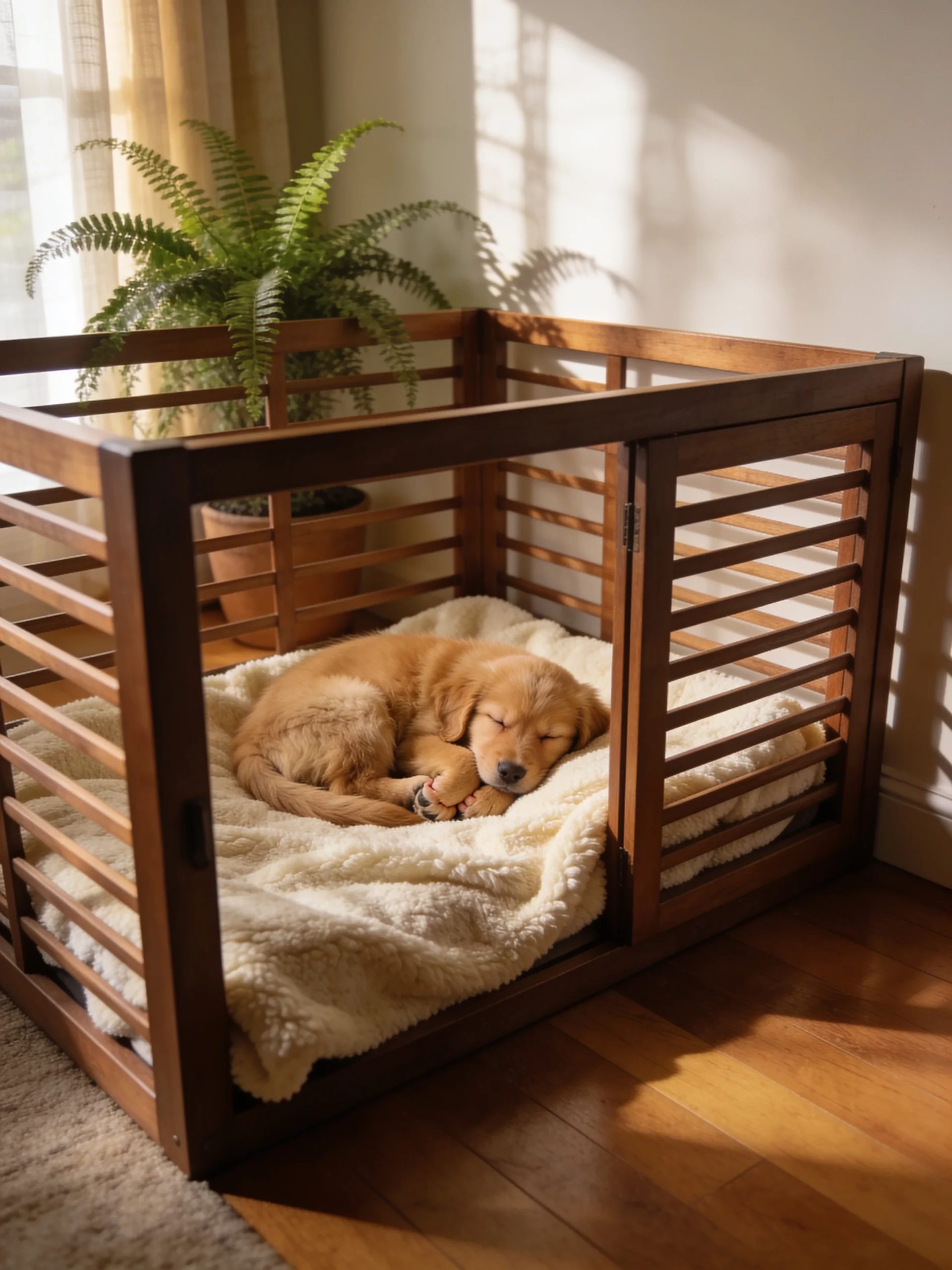
A properly sized crate creates a small, secure resting area. That setup encourages your puppy to relax, sleep, and hold urine until they can move to a separate bathroom spot.
The crate does not magically strengthen the bladder. It changes your puppy’s choices and state of mind, which often leads to longer dry periods.
Den Instinct Plays A Big Role
Dogs descend from denning animals, and that instinct still shows up in puppies. Most puppies naturally try to keep a sleeping area clean, especially when the space fits their body well.
In our experience, puppies learn this fastest when the crate allows standing, turning, and stretching, but not pacing. A crate that feels too large can let one corner become the toilet and the other become the bed.
Stillness Often Reduces Urgency
Inside the crate, your puppy usually lies down, chews quietly, or naps. That calmer state means less jostling on the bladder and fewer exciting triggers.
Outside feels exciting, busy, and physically active to a young puppy. That combination can make the bladder empty sooner, even when your puppy held it inside the crate much longer.
Many owners think outside should automatically improve bladder control. In reality, outdoor stimulation often does the opposite during early training.
Movement And Excitement Trigger Urination
When your puppy leaves the crate, they stand up, stretch, walk, and wiggle. That burst of movement can increase pressure on the bladder and make peeing happen fast.
Many of our readers tell us their puppy pees during the first lap around the yard, not at the potty spot. That usually happens because excitement takes over before the puppy can focus.
Smells And Surfaces Matter
Grass, dirt, mulch, and old urine scents can all encourage elimination. Puppies also tend to pee faster on absorbent ground than on indoor flooring because the surface feels more natural.
What we have found works best is taking your puppy to the same outdoor spot each trip. One family in Texas moved their puppy Finn to a quiet corner by a cedar fence, and accidents dropped within five days.
Building on what we covered about outdoor stimulation, weather can also matter. Cold air, wet grass, and wind often make puppies urinate sooner because the body reacts to discomfort and urgency together.
BEFORE YOU SCROLL PAST
Don’t Miss to Read: 👇
👉 Tear Stains Worse In Puppies
must understand sit, down, place, recall, leash walking, and a reliable stop cue before any protective work begins.
Many of our readers tell us they mainly want a dog that alerts, stays close, and holds position. That goal fits most Standard Poodles much better than advanced bite training.
A Virginia owner named Elise worked with her 2-year-old Poodle, Rowan, for 16 weeks. Rowan learned boundary alerts, a bark-on-command cue, and a place command that kept him controlled when visitors arrived.
Start With These Foundations
YOU’LL WANT TO SEE THIS
Related Posts: 👇
👉 How To Get Rid Of Tear Stains On Golden Retriever Puppies
👉 How To Manage Separation Anxiety In Puppies Comfort Your Pup
- Teach name recognition and recall indoors first. Reward fast responses every single time.
- Build a strong place command. Use a raised cot or dog place cot for clear boundaries.
- Train a bark cue and a quiet cue separately. Never reward nonstop barking.
- Practice calm door routines with known guests. Your dog should sit or hold place until released.
- Expose your dog to normal life safely. Include mail carriers, kids on bikes, umbrellas, and nighttime sounds.
- Work with a qualified trainer before adding defensive scenarios. Controlled practice beats guesswork every time.
What Not To Do
Do not ask friends to act like intruders without a trainer guiding the session. Poor setups teach confusion and can damage trust.
Never reward indiscriminate aggression. Your dog should learn to respond to your direction, not to every unfamiliar face or sound.
Family Safety, Health, And Daily Management
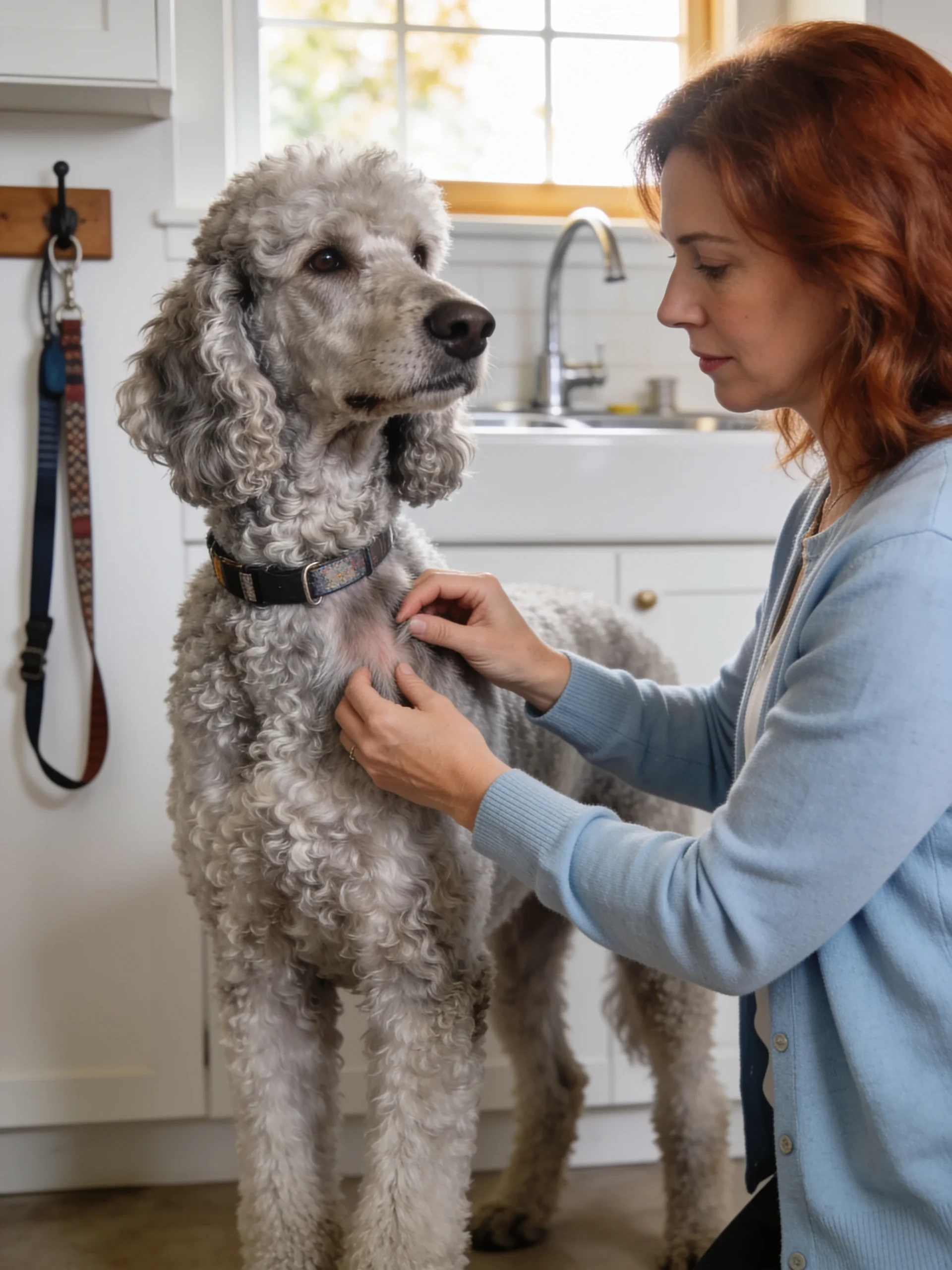
A protection-minded family dog still needs excellent everyday care. Pain, poor sleep, skin issues, and illness can change behavior fast.
Building on what we covered about safe training, management includes health prevention too. If your dog feels miserable, focus drops and irritability rises.
For example, one reader in Michigan saw her Standard Poodle become touchy during leash work after a bad flea reaction. Concerns about medications matter, so review our article on whether flea and tick preventatives can cause seizures in dogs if you need more context.
When A Standard Poodle Is A Great Fit For Protection Work
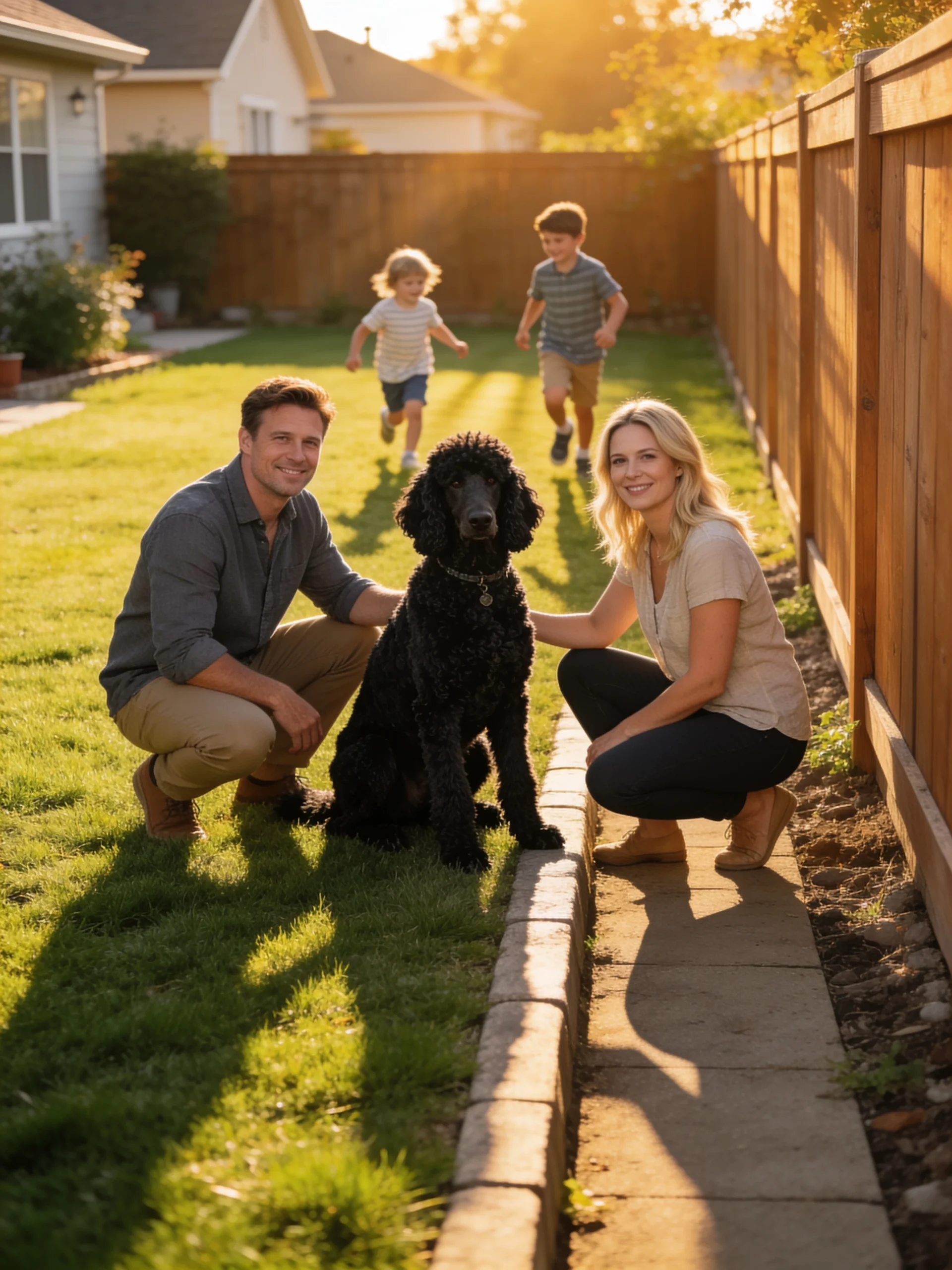
Some families match this breed very well for practical protection. They want awareness, trainability, family friendliness, and a strong deterrent without the intensity of a harder guard breed.
In our experience, the best match includes owners who enjoy training several times each week. Standard Poodles thrive when you give them a job and clear expectations.
A California couple with two children chose a 62-pound male Standard Poodle named Archer after meeting several breeds. After six months of obedience and home-boundary work, Archer alerted reliably, remained gentle with the kids, and stayed neutral with approved guests.
Best Home Situations
- Families who want a watchdog plus companion.
- Owners willing to train consistently.
- Homes with older kids who respect dog boundaries.
- People who want lower shedding.
- Families who prefer control over intimidation.
When Another Breed May Suit You Better
If you need high-level personal protection against physical threats, another breed may fit better. A well-bred working German Shepherd, Belgian Malinois, or Giant Schnauzer often offers stronger natural defensive traits.
As the limits section showed, choosing the right dog matters more than forcing the wrong role. Family peace and predictability should guide your decision.
Expert Insights On Poodles And Protective Behavior
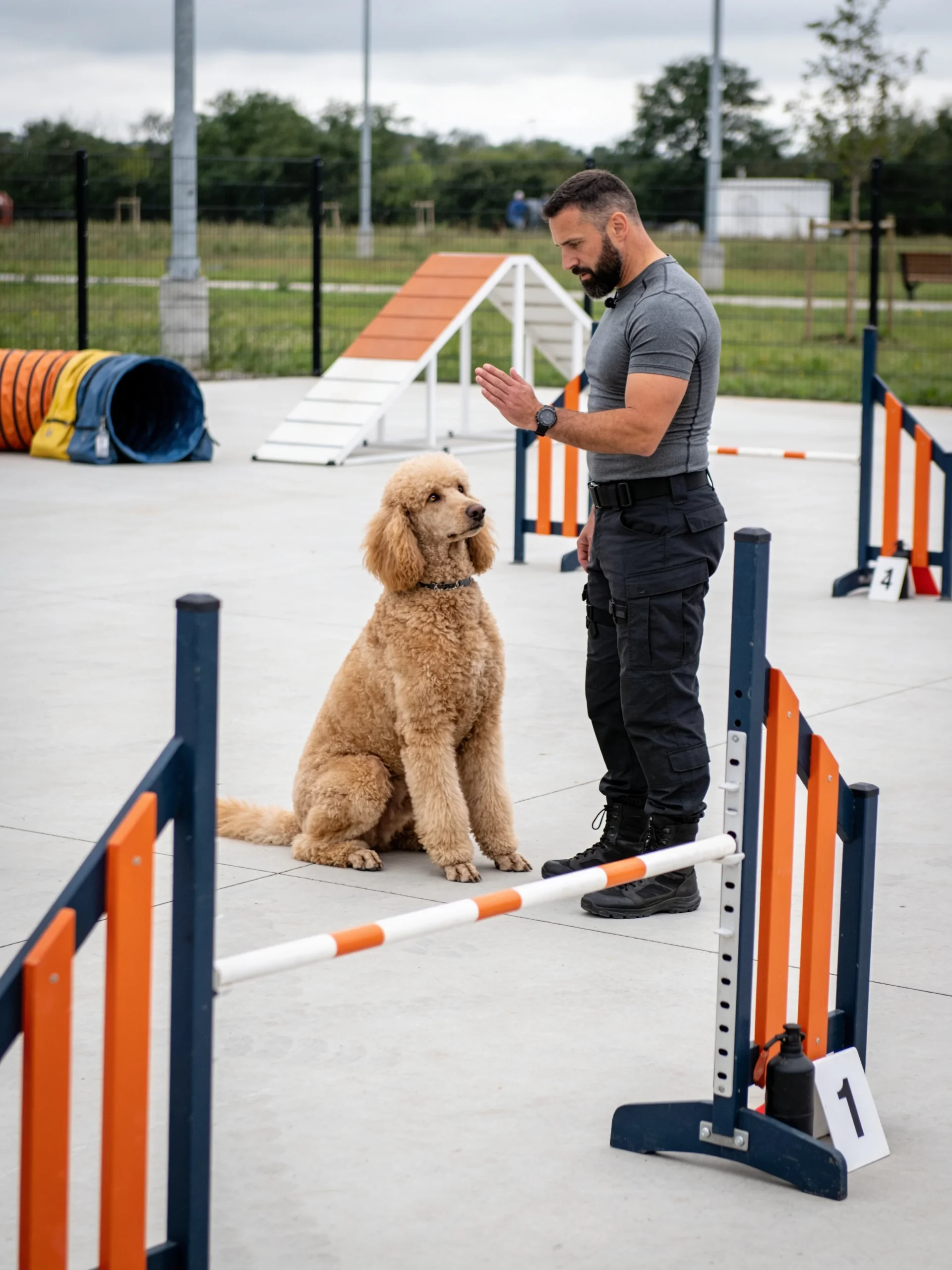
Dog behavior expert Dr. Karen Overall, author of Clinical Behavioral Medicine for Small Animals, has long emphasized that stable temperament and impulse control matter more than breed labels alone. That principle fits Standard Poodles perfectly.
The American Kennel Club describes the Standard Poodle as active, proud, and very smart. Those traits support trainability, but they do not guarantee true protection performance.
Certified trainer Michael Ellis often teaches that protection dogs need clear-headed confidence, not just obedience or barking. We have seen this consistently when families confuse alert behavior with real defensive nerve.
A practical example came from a Florida trainer who tested eight p