
When Is Intermittent Chronic Vomiting In Pets Serious?

Your pet vomits once, seems fine, and then does it again a week later. That pattern can feel easy to dismiss, but when is intermittent chronic vomiting in pets a sign of something serious? The short answer is: when it keeps happening, gets more frequent, or comes with weight loss, pain, blood, or behavior changes.
Vomiting that starts and stops can still point to disease in the stomach, intestines, liver, kidneys, pancreas, or endocrine system. The goal is to separate a simple upset stomach from a problem that needs testing, treatment, or both.
When Is Intermittent Chronic Vomiting In Pets A Sign Of Something Serious?

Intermittent chronic vomiting is more concerning when it lasts more than a few weeks, happens repeatedly, or comes with other symptoms. It can signal a serious condition even if your pet looks normal between episodes.
Any vomiting pattern that repeats over time deserves a vet visit, especially if the pet is losing weight, eating less, or acting painful.
- Vomiting more than once every few weeks is not “normal.”
- Weight loss raises concern for digestive or systemic disease.
- Blood in vomit needs prompt veterinary care.
- Lethargy, dehydration, or belly pain makes the case more urgent.
- Vomiting after every meal can point to obstruction or motility trouble.
In dogs, vomiting plus decreased appetite often prompts workup for gastritis, pancreatitis, foreign material, parasites, or endocrine disease. In cats, repeated vomiting can also be linked to inflammatory bowel disease, food reactions, hyperthyroidism, kidney disease, or intestinal lymphoma.
What Red Flags Make Chronic Vomiting More Dangerous?

Red flags are the signs that raise the odds of a serious underlying problem. If vomiting is paired with any of them, the vet visit should move from “soon” to “as soon as possible.”
The American Animal Hospital Association lists vomiting with lethargy, abdominal pain, blood, or repeated episodes as reasons to seek veterinary attention. If your pet is also weak, collapsing, or unable to keep water down, treat it as urgent.
BEFORE YOU SCROLL PAST
Quick Reads You’ll Love: 👇
👉 Can You Power Tool Specific Items Essebtials
- Blood in vomit or black, tarry stool
- Rapid weight loss or muscle loss
- Persistent diarrhea or dehydration
- Swollen belly or repeated retching
- Jaundice, fever, or obvious pain
Signs That Suggest An Emergency
Some vomiting patterns can wait for a regular appointment, but others cannot. Emergency care is more appropriate when your pet is collapsing, has a distended abdomen, or is vomiting repeatedly in a short period.
“Repeated vomiting with abdominal distension can be a surgical emergency, especially if a foreign body or gastric dilatation-volvulus is possible.”
That concern is especially relevant in dogs that may have eaten toys, bones, socks, or other objects. A pet first aid kit can help you stay prepared while you call the clinic, but it does not replace medical care.
Which Conditions Commonly Cause Vomiting That Comes And Goes?
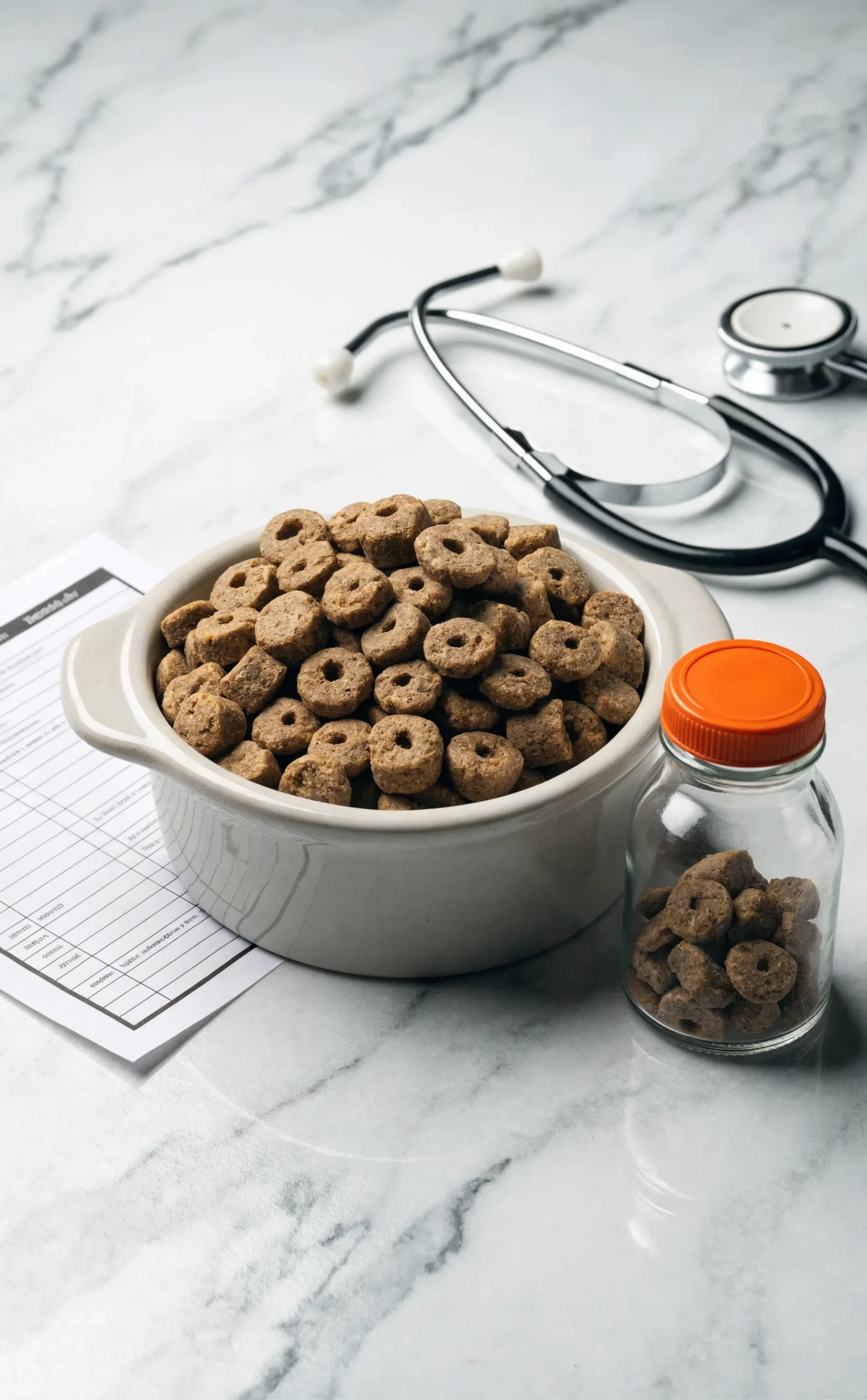
Several diseases can cause intermittent vomiting because symptoms flare and then settle. The pattern often reflects a chronic condition rather than a simple one-time upset stomach.
World Small Animal Veterinary Association resources on chronic enteropathy describe recurring vomiting as a possible sign of inflammatory, dietary, infectious, or infiltrative bowel disease. The exact cause usually depends on age, species, diet, and the rest of the exam.
| Possible Cause | Typical Clues | Why It Matters |
|---|---|---|
| Food sensitivity or intolerance | Vomiting after certain meals | May improve with diet trial |
| Inflammatory bowel disease | Chronic vomiting, soft stool, weight loss | Needs long-term management |
| Pancreatitis | Pain, nausea, poor appetite | Can become severe quickly |
| Kidney or liver disease | Increased thirst, lethargy, vomiting | Needs bloodwork and treatment |
Foreign material can also cause on-and-off vomiting if something is partially obstructing the stomach or intestines. A vet may use x-rays, ultrasound, or endoscopy, and a dog slow feeder bowl can help pets that eat too fast, though fast eating alone is not a diagnosis.
Species Matters More Than People Expect
Cats that vomit intermittently may be showing hairball-related irritation, but repeated vomiting is not always about hair. Cats are also more likely than dogs to hide illness, so weight loss or reduced grooming can be meaningful clues.
Dogs with chronic vomiting may need a broader workup earlier if they are young and swallowing objects, or older and at risk for organ disease. A cat water fountain may support hydration, but ongoing vomiting still needs a diagnosis.
How Long Is Too Long To Wait Before Seeing A Vet?
Vomiting that lasts more than a day or two, or that keeps recurring over weeks, should not be ignored. Chronic means the body keeps generating the problem, even if the pet seems fine between episodes.
If your pet vomits once and then returns to normal, you can monitor closely. If episodes keep recurring, schedule a visit within days rather than waiting for the next flare.
- Track the pattern. Write down dates, meal timing, and what the vomit looked like.
- Check for triggers. Note new treats, diet changes, garbage access, plants, or medications.
- Watch hydration and energy. Normal drinking and alert behavior suggest less immediate risk.
- Book the exam. Repeated vomiting needs a physical exam and often bloodwork or imaging.
- Follow the plan. Success looks like fewer episodes, stable weight, and improved appetite after treatment.
The Merck Veterinary Manual notes that chronic vomiting in dogs and cats often needs stepwise diagnostics, not guesswork. That may include fecal testing, blood chemistry, thyroid testing in cats, and abdominal imaging.
A pet feeding mat can make cleanup easier while you monitor meals, but the real goal is to identify the cause before the condition progresses.
What Tests Do Vets Use To Find The Cause?
Testing depends on age, species, and exam findings, but the first pass often includes a physical exam, bloodwork, and fecal testing. Those basics can reveal dehydration, infection, inflammation, organ disease, parasites, or metabolic problems.
For persistent or unexplained vomiting, vets may add abdominal x-rays, ultrasound, cobalamin testing, thyroid testing in cats, or pancreatic testing. A 2023 review in the Journal of Small Animal Practice on chronic enteropathy describes how imaging and diet trials often work together when inflammatory bowel disease is suspected.
- Bloodwork checks kidneys, liver, glucose, and electrolytes.
- Fecal tests look for parasites and infectious causes.
- Imaging checks for blockage, masses, or organ changes.
- Diet trials help identify food-responsive disease.
Sometimes the next step is endoscopy or biopsy, especially if vomiting keeps returning despite initial treatment. A automatic pet feeder can help keep meals consistent during a vet-directed diet trial.
Why “Wait And See” Can Backfire
Brief improvement does not rule out disease. Some conditions wax and wane, so the pet may look better for days before the next episode.
That is one reason repeated vomiting should be documented with photos or short videos if possible. Clear records help the vet decide whether the pattern fits nausea, regurgitation, or true vomiting.
What Should You Do The Day Your Pet Starts Vomiting Again?
Start by noting the episode, stopping access to obvious toxins or trash, and checking whether your pet can keep water down. If vomiting repeats, if your pet seems weak, or if there is blood, call a vet the same day.
If the pet is bright, hydrated, and otherwise normal, your next step is still to book an exam soon and keep a symptom log. A stainless steel pet water bowl can support easy access to water while you watch closely.
- Remove food briefly. Only do this if your vet has said it is safe for your pet.
- Offer small water amounts. Success looks like no immediate re-vomiting.
- Save details. Note color, frequency, and whether the episode was vomiting or regurgitation.
- Call the clinic. Share the timeline and any red flags.
- Follow instructions exactly. Improvement should mean fewer episodes and normal energy within the expected window.
Do not give human anti-nausea medicines unless a vet directs you to do so. Some common drugs are unsafe for pets or can hide a worsening problem.
Common Mistakes Pet Owners Make
Assuming intermittent means harmless. The consequence is delayed diagnosis. The fix is to treat repeated vomiting as a pattern, not a one-off event.
Changing foods too often. The consequence is that you lose the ability to see what triggers symptoms. The fix is to follow one vet-approved diet plan at a time.
Waiting for vomiting to become daily. The consequence is that weight loss, dehydration, or obstruction can worsen. The fix is to schedule a vet visit when episodes recur over weeks.
Giving human medications. The consequence can be poisoning or masking serious disease. The fix is to call your vet or an emergency clinic before giving anything.
Confusing vomiting with regurgitation. The consequence is a wrong diagnosis path. The fix is to describe whether food came up passively or was forcefully expelled.
External Authority Links
For evidence-based guidance on pet vomiting, see the Merck Veterinary Manual’s overview of vomiting and regurgitation in small animals.
You can also review the American Animal Hospital Association resources for general pet health guidance and veterinary care standards.
Frequently Asked Questions About When Is Intermittent Chronic Vomiting In Pets A Sign Of Something Serious?
How often is too often for a pet to vomit?
If your pet vomits more than once every few weeks, or the pattern keeps returning, that is too often. Repeated episodes deserve a veterinary exam because chronic disease can look intermittent.
Is vomiting once a week normal in cats or dogs?
Vomiting once a week is not normal in cats or dogs. Even if your pet acts fine afterward, weekly episodes can point to diet issues, parasites, organ disease, or intestinal inflammation.
When should I go to the emergency vet for vomiting?
Go to the emergency vet for vomiting if your pet is weak, bloated, painful, collapsing, or vomiting blood. Repeated retching without bringing anything up can also signal a life-threatening problem.
Can hairballs cause chronic vomiting in cats?
Hairballs can cause vomiting in cats, but frequent episodes should not be blamed on hair alone. Cats that vomit often may have food intolerance, inflammatory bowel disease, hyperthyroidism, or another illness.
What if my pet vomits but still eats and plays?
If your pet vomits but still eats and plays, the cause may still be serious. Many chronic conditions flare intermittently, so normal behavior between episodes does not rule out disease.
What should I bring to the vet for a vomiting pet?
Bring a timeline of episodes, photos or videos if you have them, and details about food, treats, medications, and access to trash or toxins. This history helps the vet narrow the cause faster.
Conclusion
The biggest clue is the pattern: intermittent vomiting becomes serious when it repeats, worsens, or comes with weight loss, blood, pain, dehydration, or behavior changes. If that is happening, book a veterinary exam now and bring a clear symptom log so the cause can be found sooner.