
How Dogs Offer Comfort Without Words During Touch Therapy
When stress, grief, pain, or illness make conversation feel heavy, a calm dog can say a lot without making a sound. How dogs offer comfort without words during times of touch therapy often comes down to steady presence, gentle contact, and the way human bodies respond to safe, predictable touch.
That comfort is not magic, and it is not a substitute for medical care. Still, research and clinical practice show that contact with a well-trained dog can help many people feel calmer, more grounded, and less alone.
If your dog is already going through hormonal stress, behavior changes can affect how touch sessions feel, so it helps to understand how often female dogs go into heat before building a routine.
How do dogs offer comfort without words during times of touch therapy?
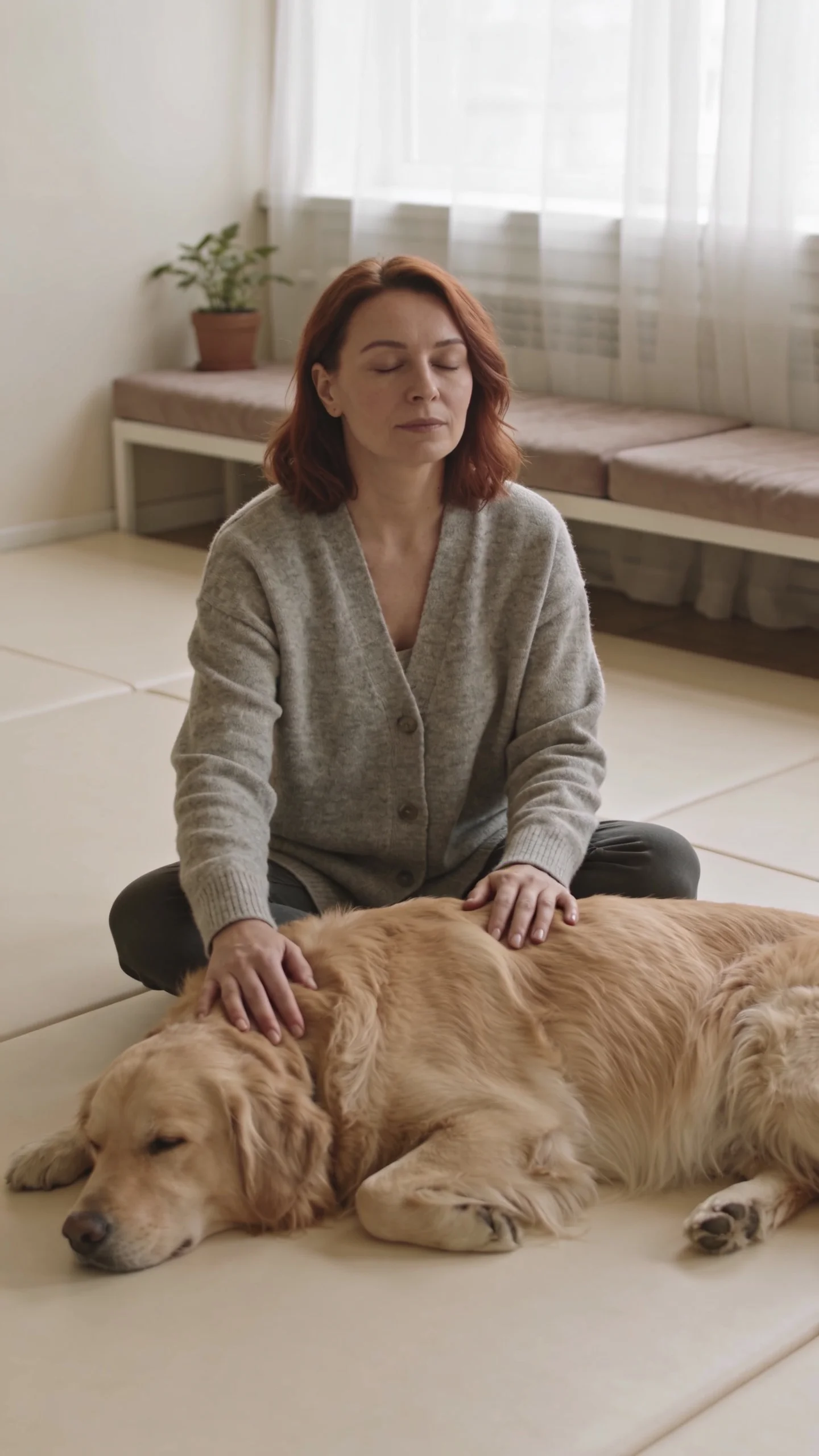
Dogs offer comfort during touch therapy by giving calm, nonverbal signals that help people feel safe and connected. Their body warmth, steady breathing, soft fur, and responsive presence can lower tension and support emotional regulation during gentle, guided touch.
In therapy settings, that comfort works best when the dog is trained, the touch is consent-based, and the environment is quiet and predictable.
- Dogs communicate safety through posture, stillness, and proximity.
- Petting can support relaxation when touch feels welcome.
- Animal-assisted therapy is used in hospitals, schools, and counseling settings.
- Human-animal contact may affect stress hormones and heart rate.
- Trained dogs help people stay present during hard moments.
Why does a dog’s touch feel calming to the human body?
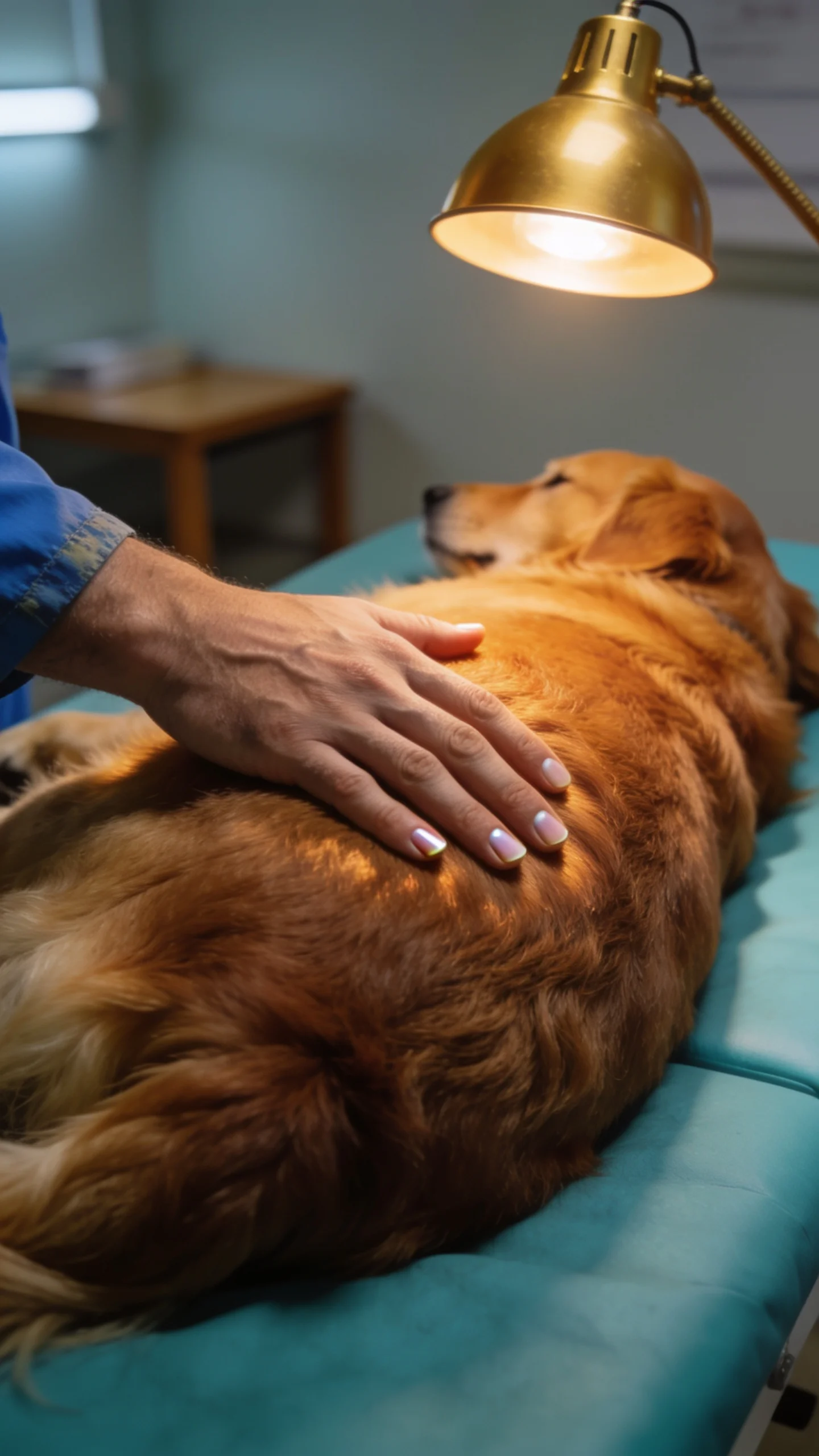
A dog’s touch feels calming because it gives the nervous system simple, steady sensory input. Warmth, pressure, rhythm, and familiarity can help shift attention away from distress and toward the present moment.
This is one reason therapy dogs are used in settings ranging from cancer care to student wellness programs. The body often reacts before a person can explain what they feel.
BEFORE YOU SCROLL PAST
Quick Reads You’ll Love: 👇
👉 Can You Power Tool Specific Items Essebtials
“Positive physical contact may provide comfort and reduce stress responses when it feels safe and welcomed.”
A frequently cited study in Frontiers in Psychology in 2019 reviewed human-animal interaction research and found evidence that interaction with dogs can reduce stress markers in many contexts. The review also noted limits, including small sample sizes and differences in how studies were designed.
Another often referenced source is the National Institutes of Health, which states that interacting with animals has been linked with lower levels of cortisol, a stress hormone, and lower blood pressure. The NIH also notes that more research is still needed to clarify which effects are strongest and for whom.
What the body may notice first
People often notice the basics before anything emotional. A dog’s warm side against the leg, a slow exhale, or the repetitive motion of stroking fur can feel regulating because the sensation is simple and repetitive.
- Warm body contact can feel grounding.
- Slow petting adds a predictable rhythm.
- Soft fur gives gentle tactile feedback.
- A resting dog can model stillness.
Some therapy teams use a washable dog blanket on laps or chairs so contact feels clean, soft, and consistent. In clinical spaces, those small details can make touch feel easier to accept.
What nonverbal signals do dogs use to comfort people?
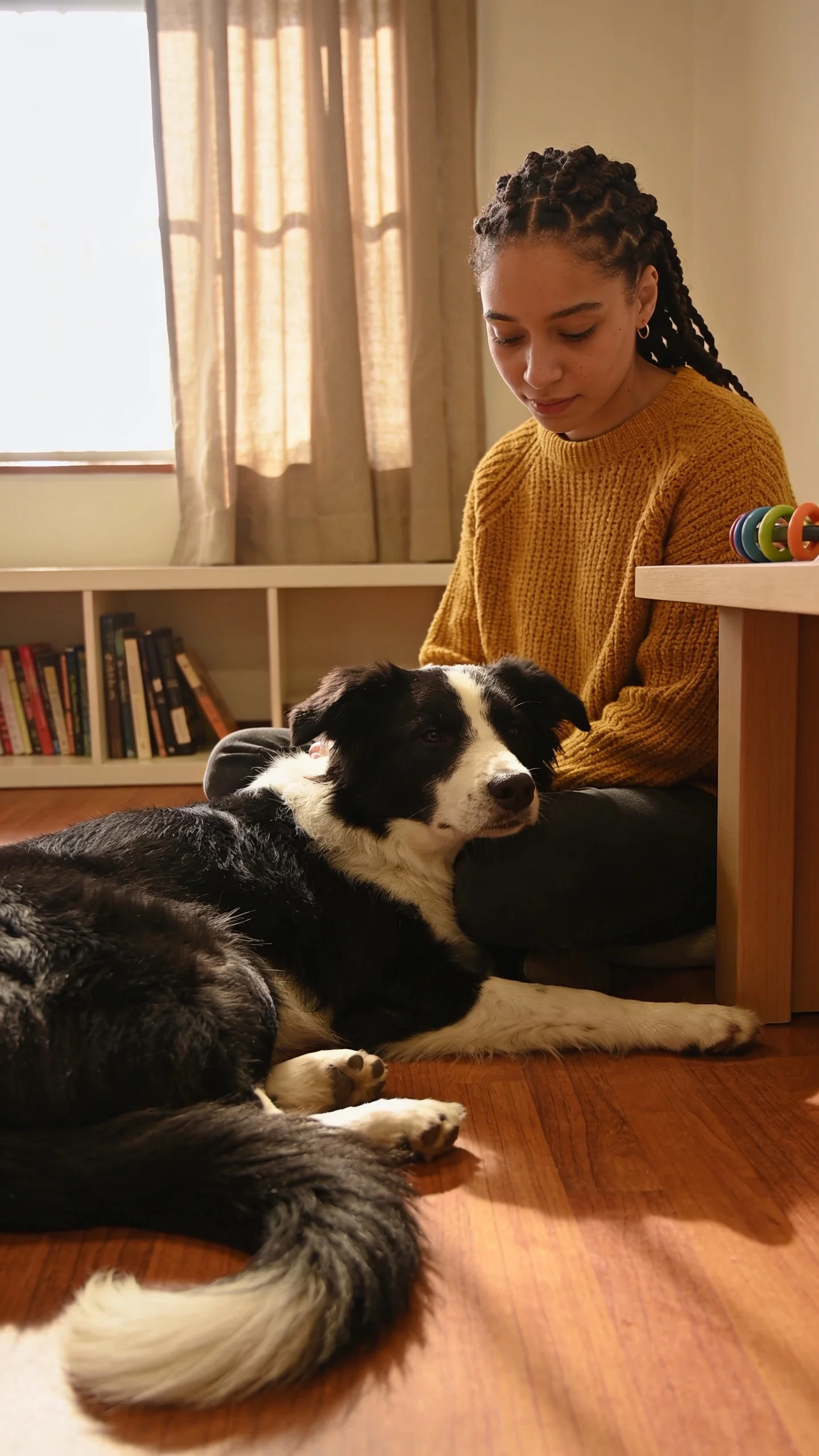
Dogs comfort people through body language more than through action tricks. A relaxed posture, loose tail, soft eyes, leaning gently nearby, or placing the head on a lap can all signal calm availability.
These signals matter because people under stress often scan for safety before they respond to words. A dog that remains settled can become a visual and tactile cue that the moment is manageable.
| Dog signal | What it may communicate | Why it helps in touch therapy |
|---|---|---|
| Soft eyes | Low threat, calm interest | Helps the person feel watched without pressure |
| Leaning gently | Closeness and trust | Provides reassuring contact |
| Resting head on lap | Seeking connection | Encourages steady, quiet touch |
| Loose body posture | Relaxation | Models calm and reduces alertness |
Organizations such as Pet Partners train handlers to read these signals closely because a dog should never be pushed into contact. Comfort only works when the dog is comfortable too.
The best therapy-dog comfort is invited, not forced.
Why consent matters for both sides
A person may not want touch at every moment, and a dog may not want to be touched in every way. Good handlers watch for stress signs such as lip licking, yawning out of context, turning away, or a stiff body.
When the dog stays relaxed and the person chooses the pace, touch therapy tends to feel safer and more effective. A simple non-slip dog mat can also help the dog settle comfortably beside a chair or bed during sessions.
Where is touch therapy with dogs used, and who may benefit?
Touch therapy with dogs is used in hospitals, counseling offices, schools, rehabilitation programs, and elder care settings. It may help people who are dealing with anxiety, trauma, loneliness, chronic illness, pain, or high stress.
The strongest results usually come when dog contact supports a larger care plan. Dogs can ease a moment, but they do not replace licensed treatment for trauma, depression, or medical conditions.
- Hospital patients may feel less isolated during treatment.
- Older adults may benefit from companionship and routine touch.
- Children often respond well to nonjudgmental presence.
- Students may use dog visits to lower stress during exams.
- Counseling clients may find it easier to stay grounded.
The American Heart Association published a scientific statement in 2013 noting that pet ownership, especially dog ownership, may be associated with lower cardiovascular risk, though the evidence did not prove direct cause. That statement is broader than therapy work, but it supports the idea that regular dog contact can matter for wellbeing.
Who should take extra care
Not everyone finds dog touch soothing. People with allergies, phobias, sensory sensitivity, active grief triggers, or a history of animal-related trauma may need a different kind of support.
Dogs also need screening. If a female dog is restless or uncomfortable, such as during a heat cycle, the session may not feel calm for anyone, which is why some owners review safe tips for walking a female dog during heat when adjusting activity and handling.
How can you make touch therapy with a dog feel safe and effective?
Touch therapy with a dog feels safest when the setup is calm, the dog is willing, and touch stays gentle and predictable. A short, structured session usually works better than long contact that leaves either side overstimulated.
This matters at home as much as it does in formal therapy. Comfort grows from routine, not from pushing for a dramatic emotional moment.
- Choose a quiet space. Reduce noise, strong smells, and sudden movement so both the person and dog can settle.
- Invite, do not pull. Let the dog approach first; success looks like relaxed posture and voluntary closeness.
- Start with simple contact. Stroke the shoulder, chest, or side instead of reaching over the head.
- Match the dog’s rhythm. Slow petting often works better than fast rubbing or excited handling.
- Watch for stress signs. Pause if the dog turns away, stiffens, pants heavily, or leaves.
- End early when calm. A good session finishes before either side becomes tired or uneasy.
Handlers often keep cleaning supplies nearby because hygiene supports comfort in shared settings. Something as basic as pet-safe grooming wipes can help freshen paws and coat before a visit.
Small tools that support better sessions
You do not need many products, but a few practical items can reduce friction. A well-fitted front-clip dog harness can help handlers guide movement gently without adding stress.
For dogs that settle better with a familiar object, a calming dog bed nearby can create a home base between contact periods. That is especially useful if the person wants the dog close but not touching nonstop.
What mistakes make dog-based touch therapy less helpful?
Dog-based touch therapy becomes less helpful when people confuse access with consent. The goal is calm, supportive contact, not making a dog tolerate any touch a person wants to give.
Many problems come from moving too fast or missing body language. A good session should leave both the person and the dog settled, not drained.
- Forcing closeness: pulling a dog into a lap can raise stress; let the dog choose proximity.
- Touching sensitive areas: paws, tail, ears, and face may trigger withdrawal; stay with shoulders and chest first.
- Ignoring handler guidance: this can break trust and shorten visits; follow the dog’s routine and limits.
- Making sessions too long: overstimulation reduces comfort; stop while the dog is still relaxed.
- Using an unwell dog: pain, heat cycles, or fatigue affect behavior; reschedule until the dog is comfortable.
If behavior changes are linked to reproductive cycles, owners may need practical support before any comfort work resumes. Articles on why a female dog may cry during heat or choosing the best diapers for female dogs in heat can help reduce discomfort and keep handling more predictable.
What do experts and authorities say about animal-assisted touch and comfort?
Experts generally agree that human-animal interaction can support stress relief and emotional comfort, especially when contact is calm and voluntary. They also agree that claims should stay modest because results vary by setting, person, and study design.
That balanced view matters if you want facts instead of hype. Dogs can help, but they are one support among many.
The NIH notes that interaction with animals may lower cortisol and blood pressure, while also pointing out that more high-quality research is still needed.
Pet Partners, a widely recognized therapy animal organization, emphasizes screening, training, infection control, and handler education. Those standards matter because a dog’s soothing presence only helps when safety, welfare, and consent are protected.
For a broad medical overview, see the NIH summary on the health effects of pets. For standards related to therapy animal visits, review Pet Partners.
Trust the calm effect, but keep the claims honest.
Frequently Asked Questions About How dogs offer comfort without words during times of touch therapy
Can dogs really sense when you are upset during touch therapy?
Dogs can often notice when you are upset during touch therapy through changes in posture, voice, movement, and scent. Dogs may respond by staying close, leaning in, or becoming very still.
Does petting a dog lower anxiety right away?
Petting a dog may lower anxiety right away for some people because slow, repetitive touch can feel regulating. The effect depends on whether the person likes dogs and whether the dog is calm and willing.
Are therapy dogs the same as emotional support dogs?
Therapy dogs are not the same as emotional support dogs because therapy dogs are trained to work with many people in structured settings. Emotional support dogs mainly support one person and follow different rules.
What kind of touch is best during a therapy session with a dog?
The best kind of touch during a therapy session with a dog is usually slow petting on the shoulder, chest, or side. Those areas are often easier for dogs to accept than the face, paws, or tail.
Can touch therapy with dogs help children and older adults?
Touch therapy with dogs can help children and older adults by offering steady companionship and gentle sensory input. It may be especially helpful for stress, loneliness, and emotional regulation when the setting is calm.
When should you avoid touch therapy with a dog?
You should avoid touch therapy with a dog when the person has allergies, fear, or trauma related to dogs, or when the dog is ill, stressed, or uncomfortable. Avoiding forced contact protects both sides.
Conclusion
The biggest takeaway is simple: dogs offer comfort without words during times of touch therapy because safe, willing contact can calm the body before the mind finds language. Their warmth, rhythm, and nonjudgmental presence often make hard moments feel less sharp.
Today, watch your dog’s body language during one quiet five-minute cuddle or petting session and notice what helps both of you stay relaxed. If your dog is in a changing life stage, it may also help to learn whether small breed dogs go into heat more often so comfort routines stay realistic and kind.